If you've started a new medication and noticed that sensation feels muted, delayed, or just plain different, you're not imagining it. Plenty of common drugs change how your nervous system responds to touch. That doesn't mean your capacity for pleasure is gone. It means your body is working through a chemical shift, and you might need to adjust your approach.
This matters because most people don't make that connection. They assume something is broken about them. They stop trying. And then they miss the window where a small change in technique or timing would have made all the difference. That's the gap this guide is here to close.
Antidepressants, especially SSRIs like sertraline, paroxetine, and fluoxetine, are the most common offenders. They work by increasing serotonin availability in your brain. That's great for mood. But serotonin also plays a role in sexual response, blood flow, and orgasm intensity. Between 40 and 60 percent of people on SSRIs report some shift in pleasure or orgasm difficulty. For some, it's mild. For others, it's significant.
Blood pressure medications like beta blockers reduce blood flow throughout your body, including to genital tissue. That slower blood flow can mean slower arousal and less intense sensation overall. ACE inhibitors tend to be gentler, but it varies person to person.
Antihistamines dry out mucous membranes everywhere, including the vulva. If you're already on the drier side, seasonal allergy meds can make things uncomfortable fast. Over-the-counter options like diphenhydramine hit harder than newer generations like cetirizine.
Birth control hormones shift your baseline estrogen and testosterone, which directly affects how nerve endings in your genital tissue respond to stimulation. The timing and intensity of arousal can change completely. If you've recently switched pills or started a new hormonal method, this is likely playing a role.
Anti-anxiety medications and sedatives slow down your nervous system overall, which can mean slower arousal buildup and a higher threshold for feeling sensation. That's not a dealbreaker. It just means you're working with different timing.
Let's get specific about the mechanics. Arousal depends on a chain reaction: brain signal sends blood to genital tissue, nerve endings fire, you feel sensation, more blood arrives, the experience intensifies.
When you're on a medication that affects this chain, you're not broken at any single link. You're just moving slower through it. An SSRI might slow the signal between your brain and your bloodstream. A blood pressure med might reduce the amount of blood that actually arrives. A birth control pill might change how sensitive the nerve endings are to that blood flow.
The good news: you can work with all of these. You're not fighting your body. You're optimizing for how your body is working right now.
Four things I recommend to clients navigating this.
Budget more time for warmup. If arousal usually takes five minutes, give yourself fifteen. Your system is working the same way. It's just moving at a different speed. That's not laziness. That's reality. Light touch, breathing, whatever gets you mentally there first. Your mind's arousal matters as much as your body's.
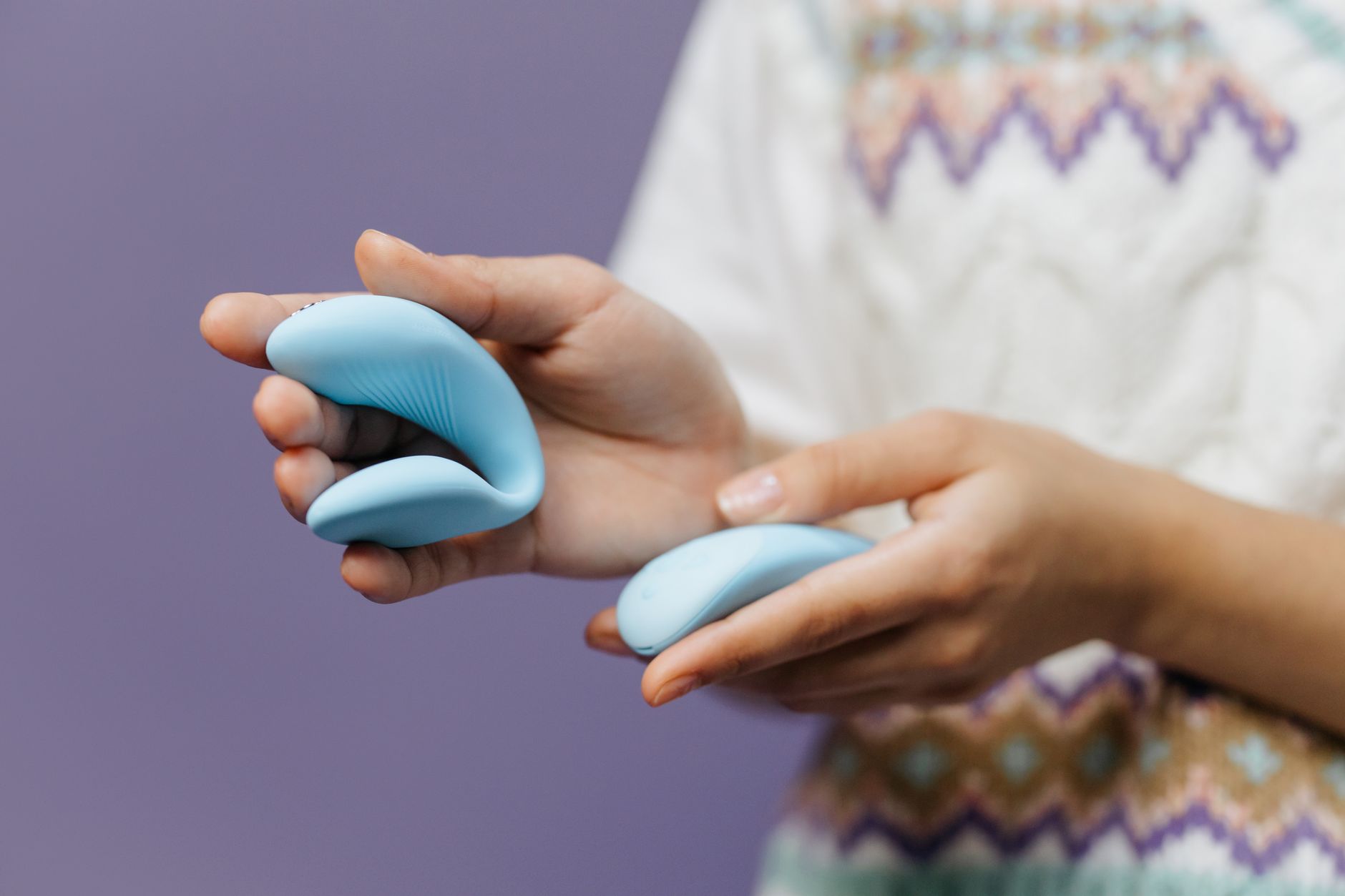
Start lower and go slower. If you typically use your lemon clitoral vibrator at a medium pattern, try starting at level one or two. Let sensation build gradually. Many people find that once they let go of reaching an intense vibration quickly, the experience actually becomes deeper. Your nervous system gets time to wake up properly instead of being jolted.
Use lubricant even if you don't think you need it. A lot of medications reduce natural lubrication. That's not a sign something's wrong. It's a sign your tissue needs support. Water-based lubricant isn't a failure. It's a tool. Lemon sexual toys work beautifully with generous lube because the suction mechanism doesn't rely on friction friction the way other vibrators do.
Try a different time of day. Some medications are strongest in your system a few hours after you take them. Others level out. If you're taking an SSRI in the morning, you might notice more sensation in the evening when the peak has smoothed out. Same with blood pressure meds. Timing is a variable you can actually control.
Here's where most articles on this topic fall short. They explain the physiology and stop. But medication changes pleasure partly through your body and partly through your mind.
When you start a medication, you might feel anxious about changes to your sexuality. That anxiety then dampens arousal further. It's a feedback loop. Breaking it means separating the medication effect from the anxiety effect. One is chemistry. The other is psychology. Both are real. Both are treatable.
If you're in a relationship, your partner's reaction matters too. Sometimes partners interpret slower arousal as lower desire or lack of attraction. That's almost never true. It's a timing thing, not a desire thing. Having that conversation directly prevents the spiral where slower arousal becomes less frequent arousal becomes disconnection.
If the change is severe, you have options. Some people find that switching to a different SSRI helps. Bupropion, for instance, is an antidepressant that often preserves sexual function better than SSRIs do. Same medication category. Different mechanism. Worth discussing.
For blood pressure meds, newer ACE inhibitors or ARBs (angiotensin receptor blockers) might have less impact on blood flow than older beta blockers. If you've been on the same blood pressure medication for years and only recently noticed changes, it might not be the medication at all. It might be age, stress, or relationship dynamics. Your doctor can help you parse that.
For birth control, switching to a lower-hormone pill or a non-hormonal method like an IUD or copper coil might restore sensation if that's the culprit. It's not a one-size solution. What works for someone else might not work for you. But the conversation is worth having.
The key: don't just live with it if it's distressing. Medication is supposed to improve your life overall, including your sex life. If it's not, there's usually something you can adjust.
If you're working with medication-related changes in sensation, air-suction lemon clitoral vibrators have a particular advantage. They work through sustained suction and gentle pulsing rather than intense vibration. That means they're less dependent on baseline nerve sensitivity. You feel the suction whether your nerves are at full volume or running at 70 percent.
Start with the gentlest setting and let your body tell you what it needs. Many people using these toys report that the suction mechanism helps their nervous system engage more completely than traditional vibration, even when sensitivity is reduced. It's not magic. It's just a different mechanism that sometimes works better when your baseline is shifted.
Keep lube on hand. Use the time you need. And remember: slower doesn't mean less. Different does not mean diminished.
Can changing my medication timing help with sensation?
Sometimes, yes. If you take an antidepressant every morning, your sexual sensation might peak later in the day when blood levels stabilize. Try exploring at different times and notice if there's a pattern. If there is, you can work with that rhythm. But don't shift medication timing without consulting your doctor first. If your medication is timed for a reason, changing that can affect your overall treatment.
Will my sensation come back if I stop my medication?
Often, yes. But stopping medication to fix sexual function is almost never the right choice, especially if the medication is helping with depression, anxiety, or another condition. The conversation with your doctor is about finding a solution that treats both your mental health and your sexual health. That might be a medication adjustment, a dose change, or a different class of drug entirely.
Is it normal for antidepressants to take weeks to affect pleasure?
Yes. It takes time for your body to adjust to most psychiatric medications. SSRIs can take 4 to 6 weeks for mood effects to stabilize, but sexual side effects sometimes emerge later. If you're a few months in and things feel different, that's when you have the clearest picture of whether this medication is the right fit for you sexually.
Can lubrication make up for medication-related dryness?
It can help enormously. Good-quality water-based lubricant restores comfort and sensation that medication dryness has dampened. You're not compensating for something broken. You're providing external support your body needs right now. There's zero shame in that. Lemon adult toys paired with lube often feel more pleasurable than without, even for people not on medication.
Should I switch medications because of sexual side effects?
Only you and your doctor can answer this. But yes, sexual function is a legitimate reason to explore medication options. If an SSRI is causing problems, bupropion or certain SNRIs might not. If blood pressure medication is the issue, other classes exist. The point is to raise it as part of your overall treatment plan, not to suffer silently.
Does masturbation feel different than partnered sex when on medication?
Often, yes. Some people find that the control and consistency of solo pleasure with a lemon vibrator works better with medication changes than partnered sex does. Others find the opposite. It's worth exploring both and noticing where sensation feels more available. That information helps you understand what's actually happening physiologically.
Medication changes your body's baseline. That's not failure. It's information. The people who navigate this smoothly are the ones who accept the new baseline, adjust their approach, and communicate clearly with their doctor and partner about what they need.
Your pleasure matters. It matters enough to have conversations about it. It matters enough to experiment with timing, technique, and tools. And it matters enough to be honest about what's working and what isn't. If you'd like to talk through how to approach your doctor about sexual side effects or how to explore your options, reach out. We're here for these conversations.