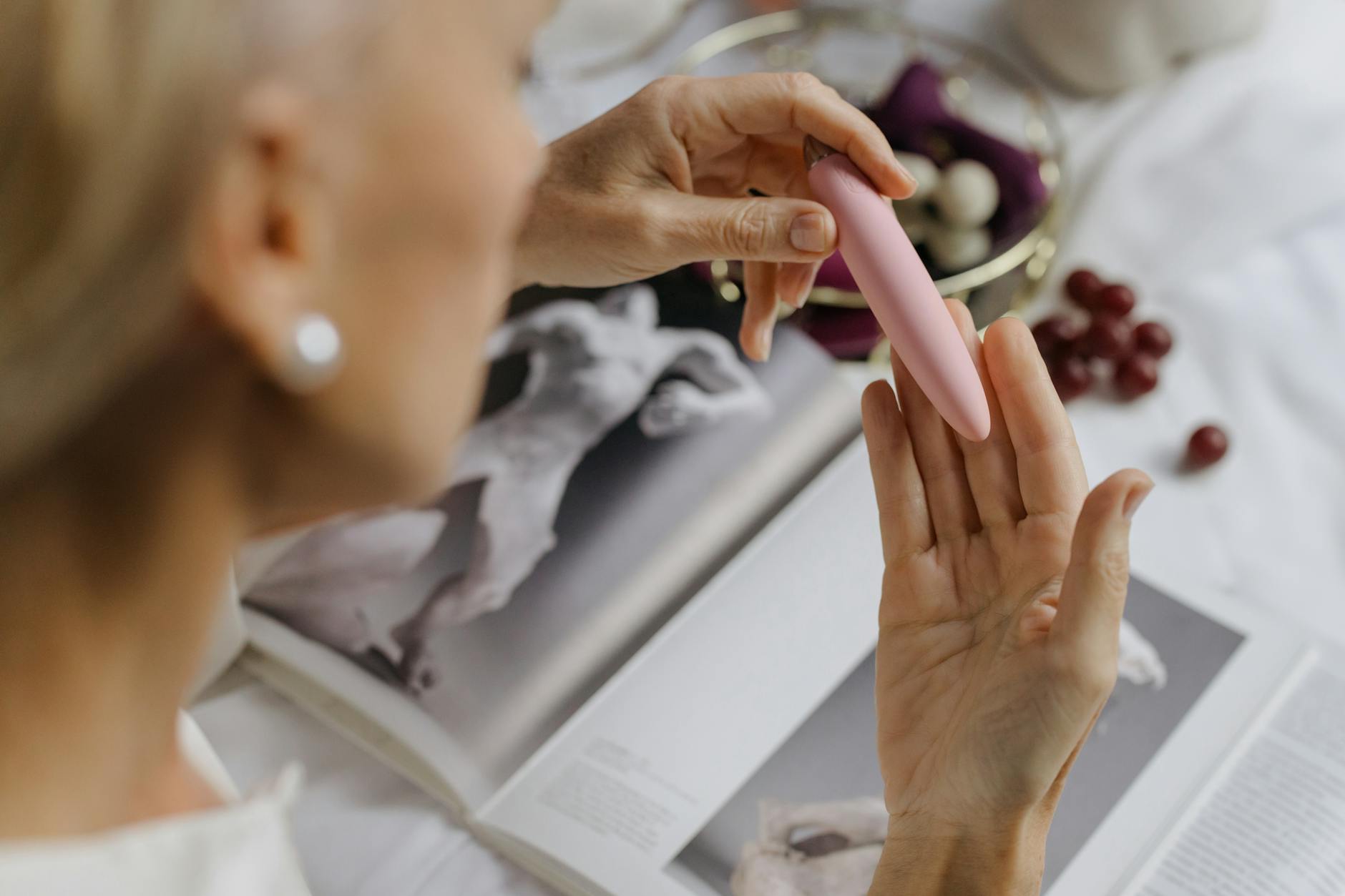
Grief doesn't just affect your emotions. It reaches into your nervous system, resets your hormone levels, and tells your body that pleasure isn't safe right now. So when you try to reconnect with solo pleasure using a lemon vibrator—or any device—it might feel completely foreign. Numb. Overwhelming. Wrong.
When you lose someone, your brain enters a protective state. The amygdala (your threat-detection center) goes into overdrive. Cortisol and adrenaline stay elevated. Meanwhile, oxytocin (the bonding hormone), dopamine (the reward chemical), and serotonin (the mood regulator) all drop.
This is survival mode. And survival mode doesn't prioritize pleasure. It prioritizes staying alert.
Your pelvic floor tightens. Your breath stays shallow. You stop noticing physical sensation unless it's painful. Some people describe it as feeling like their body belongs to someone else. Others say their skin feels numb even when touched directly.
This isn't psychological weakness. It's neurobiology. And it explains why picking up a lemon clitoral vibrator after loss can feel jarring, disconnecting, or even intrusive.
Your baseline arousal threshold is higher. Grief dampens dopamine production, which means the stimulation that used to feel pleasurable now registers as merely present. A lemon vibrator on pattern 2 might have felt warm before; now it feels clinical. You're not being difficult. Your body is operating with fewer feel-good chemicals.
Reconnection can feel guilt-laden. Many people who've lost a partner, family member, or experienced major loss report that pleasure specifically feels like betrayal. If someone has died, enjoying yourself can trigger the thought "I shouldn't be happy when they're gone." Your body learns to suppress sensation as a way of staying loyal to the grief. A lemon sexual toy becomes a reminder of what feels forbidden.
Dissociation blunts sensation. Grief often comes with dissociation—a disconnection from your body as a protective mechanism. You might touch yourself or use a vibrator and feel like you're watching the experience from outside your body, rather than inhabiting it. That hollow feeling isn't the vibrator's fault.
Your pelvic floor likely holds tension, which can make clitoral stimulation feel less intense or even uncomfortable. Shallow breathing means less blood flow to your genitals, so arousal builds slower. Elevated cortisol makes your skin more sensitive to touch in an irritating way rather than an enjoyable way.
Some people report that lemon vibrators feel too intense right after loss. Others say they feel too gentle. Both are normal. Your nervous system has recalibrated what "normal" sensation means.
I work with many people navigating this exact experience, and here's what actually helps.
Start with non-sexual touch first. Before using a lemon vibrator, spend two weeks reconnecting with your body through massage, warm baths, or simply noticing textures. Hold your vibrator without turning it on. Let your body remember what it's like to be touched by choice, without a goal.
Name the guilt explicitly. If you're experiencing the "I shouldn't enjoy this" feeling, write it down or say it aloud to someone you trust. Grief thrives in silence. Once you name the belief, you can challenge it. Pleasure doesn't diminish your loss or disrespect the person who died. The two can coexist.
Use your lemon vibrator at the lowest intensity. Start with pattern 1 on your clitoral vibrator. Give yourself 20-30 minutes of low-intensity stimulation with no goal of orgasm. This teaches your nervous system that pleasure-seeking is safe again.
Practice grounding while using your device. Grief pulls you into your head, away from sensation. When using a lemon sexual toy, anchor yourself: notice five things you see, four you can touch, three you hear, two you smell, one you taste. This pulls you back into your body.
Expect your arousal to feel mechanical at first. You might notice wetness, swelling, or an orgasm building without feeling emotionally connected to it. That's okay. Your body and mind are healing at different speeds. Keep using your vibrator anyway. Sensation and emotion will eventually reconnect.
If you're six months or more into grief and pleasure still feels completely inaccessible, there's merit in talking to a grief therapist or grief counselor who specializes in somatic (body-based) healing. Sometimes grief gets stuck in your nervous system in ways that need professional help to unstick.
Your doctor can also rule out depression or other grief-related conditions that suppress desire. Grief is natural. Depression is also natural sometimes. They're not the same, and they're treated differently.
The goal isn't to force yourself back to pleasure quickly. It's to rebuild trust with your body. That takes time.
When you use a lemon vibrator after loss, you're not just pursuing orgasm. You're saying to yourself: "I deserve to feel good again. My body is still mine. Pleasure is still allowed."
That's profound work. It's slower than it used to be. It might feel weird or uncomfortable. But it's also an act of self-reclamation.
Many people who've navigated this report that their relationship with their clitoral vibrator deepens after grief. They stop using it to perform or achieve. They start using it to listen to what their body needs. That shift alone—from goal-oriented to present-oriented—often changes everything.
Start small. Be patient. And if your lemon vibrator feels strange right now, that's not a reflection on the device. That's grief doing what grief does. And that can change.
There's no standard timeline. Acute grief (the first three to six months) typically involves the most suppression of pleasure. But some people report feeling sensation return within weeks once they start intentionally reconnecting. Others need six months to a year. The key difference is whether you're actively working to rebuild sensation or avoiding it. Avoidance extends numbness. Gentle, consistent reconnection (like using your lemon clitoral vibrator at low intensity) speeds the process.
It can shift it, but not destroy it. Many people find their sexuality actually deepens after grief because they stop performing pleasure and start experiencing it. <a href="/blog/how-lemon-vibrators-help-when-youre-dealing-with-low-libido">How lemon vibrators help when you're dealing with low libido</a> covers this more deeply—the principles apply even when libido loss is grief-related.
Not at all. Your body needs reconnection. Using a lemon sexual toy is an act of self-care, not disrespect. If guilt arises, that's worth exploring with a therapist, but the act itself is healthy.
This is dissociation and nervous system dysregulation showing up. When you're in a dissociative state, you're less present, so stimulation feels distant. When anxiety spikes, the same stimulation feels invasive. Neither means your vibrator is wrong. It means your nervous system is still healing. Keep the intensity low and consistent until your body settles.
No. Crying during or after using your clitoral vibrator is often a sign that your body is releasing stored grief. That's healing. Let it happen. Use your lemon vibrator as a tool for reconnection, even if reconnection brings emotion to the surface.
Some people find that sharing pleasure with a partner actually accelerates reconnection, because another person's presence can help ground you in your body. Others need solo time first. <a href="/blog/how-to-use-lemon-vibrators-for-better-foreplay-with-a-partner">How to use lemon vibrators for better foreplay with a partner</a> offers guidance if you choose to include a partner in your reconnection journey.
Grief changes how sensation feels in your body. That's not permanent. Your lemon vibrator isn't broken. Your nervous system is just protecting you while it heals. Start small, be consistent, and trust that pleasure can return—often richer and more grounded than before.
If you're struggling with reconnection and want to talk through your specific situation, reach out to us at <a href="/contact">contact</a>. We're here.