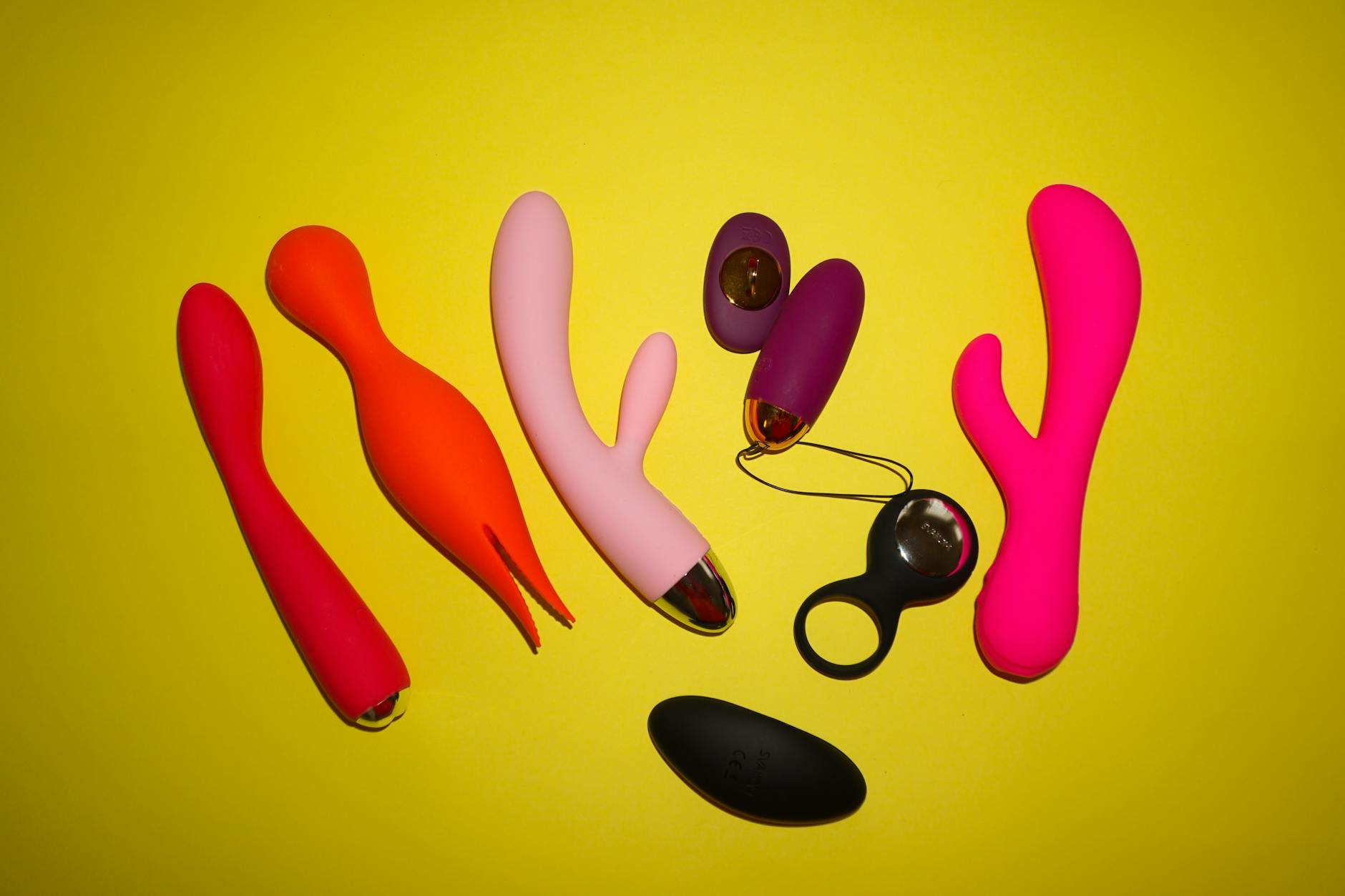
How to Use Lemon Vibrators When You Have a Low Pain Threshold
If vibration feels overwhelming or touch is painful, there's a practical approach. Here's how to use lemon clitoral vibrators safely when sensitivity is your starting point.
If vibration feels too intense, or if touch to your clitoris triggers sharp discomfort rather than sensation, you're not broken. Low pain thresholds around the vulva are common, and they're often connected to tension, past trauma, medical conditions, or just how your nervous system is wired. The good news is that lemon vibrators can still work for you, but the approach is completely different from the standard setup.
The clitoris has roughly 8,000 nerve endings packed into a tiny space. When you have a low pain threshold, those nerves are often already firing at a lower threshold. Add a vibrator at full speed, and you're not building pleasure. You're building defensive tension.
There are three main culprits:
1. Pelvic floor tightness. Even if you don't realize it, the muscles around your vulva might be gripping. Tension + vibration = pain. This is especially common if you have a history of painful sex, anxiety, or trauma.
2. Nerve sensitization. Some conditions like vulvodynia, interstitial cystitis, or even hormonal shifts can make the entire area hypersensitive. Low-intensity stimulation works better than high-intensity.
3. Desensitization anxiety. You've had a painful experience before, so your nervous system is braced for pain. This bracing itself creates tension, which makes vibration feel worse. It's a cycle.
The fix isn't to push through or use a stronger vibrator. It's the opposite: go slower, gentler, and build gradually.
If vibration hurts, check your pelvic floor first. Lie down, put a finger inside your vagina, and gently press upward. Do you feel tightness? Doesn't release when you try to relax? That's hypertonicity, and it's one of the biggest reasons vibrators feel painful instead of good.
Here's what helps before you even touch a lemon vibrator:
Stretch your inner thighs and hip flexors. Tight hips pull tension into the pelvic floor. Spend 2-3 minutes in a butterfly stretch or deep forward fold. This alone can shift the experience from painful to neutral.
Practice relaxing breathing. Breathe in for 4 counts, out for 6. The exhale activates your parasympathetic nervous system, which tells your body it's safe. Do this for 5 minutes before any stimulation.
Consider pelvic floor physical therapy. If pain is consistent, a PT trained in pelvic health can identify exactly where the tension lives and teach you how to release it. This is not optional information. It's foundational.
Lemon clitoral vibrators are well-designed for this because they offer genuinely low starting points. But even "low" might be too much at first. Here's the real beginner sequence.
Week one: no vibration. Spend time touching yourself with your hand alone. Get curious about what pressure feels okay versus what triggers discomfort. Map your own sensitivity. Most people discover that very light, circular pressure around the outer clitoris (not the tip) feels better than direct pressure.
Week two: turn on the lemon vibrator at the lowest setting, don't touch yourself yet. Just let it vibrate in the air near your vulva, or hover it over your inner thigh. Let your nervous system learn that the vibration itself isn't a threat. This sounds silly, but it works. Acclimatization reduces defensive tension.
Week three: place the vibrator on your outer labia or perineum (the area between your vagina and anus), not on the clitoris. This gives you vibration without the intensity of direct clitoral contact. Many people with low pain thresholds find this is actually where the best sensation lives.
Week four and beyond: if that feels okay, move gradually toward the clitoris, but stay on the sides or base rather than the tip. The tip has the highest nerve density. The base and sides often feel better.
Do not skip steps. Do not try to rush. The whole point is to teach your nervous system that this is safe.
With a low pain threshold, lubrication isn't optional. It's structural. Even a tiny amount of friction amplifies discomfort.
Use water-based lubricant generously. Not a dab. A real amount. Reapply every few minutes if you're going longer than 5-10 minutes. The lube reduces friction, which reduces pain and makes vibration feel like pleasure instead of irritation.
If you have vulvodynia or other chronic pain conditions, silicone-based lube often feels better than water-based because it doesn't dry out as quickly. Yes, you can't use it with silicone toys, but lemon vibrators are usually silicone, so stick with water-based.
Some people find that warming the lube slightly (hold the bottle under warm water for 30 seconds) makes it feel less jarring. Small detail. Big difference.
If you're using a lemon vibrator with a partner, they need to understand that your low pain threshold isn't a barrier to overcome. It's information that shapes what works. The conversation goes like this:
"When I use a vibrator, I need it on a very low setting, or not on the clitoris directly. This isn't about building tolerance. It's about what actually feels good for my body." Not "I can't handle this." Frame it as what works, not what doesn't.
Let them watch you use it solo first. They'll see that you're engaging, exploring, enjoying. That removes the pressure and the performance angle. Then, if you want them involved, they can follow your lead on placement and intensity.
Many partners worry that a vibrator means they're not enough. In reality, a vibrator with a low pain threshold is the opposite. It's a tool that helps your body access sensation in a way that's actually possible for you. That's not a rejection. That's honesty.
If pain during any touch is severe or has appeared recently, schedule a gynecology appointment. Conditions like vulvodynia, lichen sclerosus, dermatitis, or hormonal imbalances can all cause what feels like a "low pain threshold" but is actually an underlying condition that's treatable.
Similarly, if you have a history of painful sex (dyspareunia), a pelvic floor PT or sex-friendly therapist is worth the investment. You're not trying to "fix" yourself. You're removing an actual barrier so that pleasure is possible.
Don't expect this to transform overnight. Most people with low pain thresholds take 4-8 weeks of consistent, gentle exploration before vibration feels genuinely good. Some take longer. That's not failure. That's normal.
What you'll probably notice first is that discomfort decreases. Then neutral. Then actual pleasure. The progression matters more than the speed.
Keep a small note of what works. "Week 3: felt better when I used lube on the labia." "Week 5: tried level 2 on the base, not the tip." You're gathering data about your own body. Use it.
Yes, but with the sensitivity protocol outlined above. Start at the lowest setting, use generous lubrication, and focus on areas outside the clitoris first. Many people with vulvodynia find that the gentleness of a lemon vibrator is exactly what works when other toys feel too intense. If pain gets worse instead of better over a few weeks, check in with a pelvic floor PT.
Then the vibrator isn't the right tool right now. Go back to hand stimulation with lube for 4-6 weeks, and try again. Your nervous system might just need more time. You can also use the vibrator in bursts: 30 seconds on, 30 seconds off, letting your body regulate between pulses.
Absolutely not. Plenty of people with low pain thresholds have strong orgasms. They just need a different approach. Slower ramp-up, lighter pressure, more lube, focus on areas outside the clitoris. Different doesn't mean broken.
If pain is your main barrier, yes. It's not because you're "too tight" in a shameful way. It's that physical tension is blocking what could be good sensation. A PT will teach you how to release it. That's a genuine skill, not something you can figure out alone.
Completely. Anxiety creates muscle tension, which amplifies sensation and pain. The anxiety itself is often the biggest barrier. That's why the slow progression matters. You're literally teaching your nervous system that this is safe. That takes time, but it works.
Not at all. But you need the right approach. A lemon clitoral vibrator with a low-speed setting, generous lube, and patience can open up a whole avenue of pleasure that might otherwise feel closed off. The key is gentleness and time.