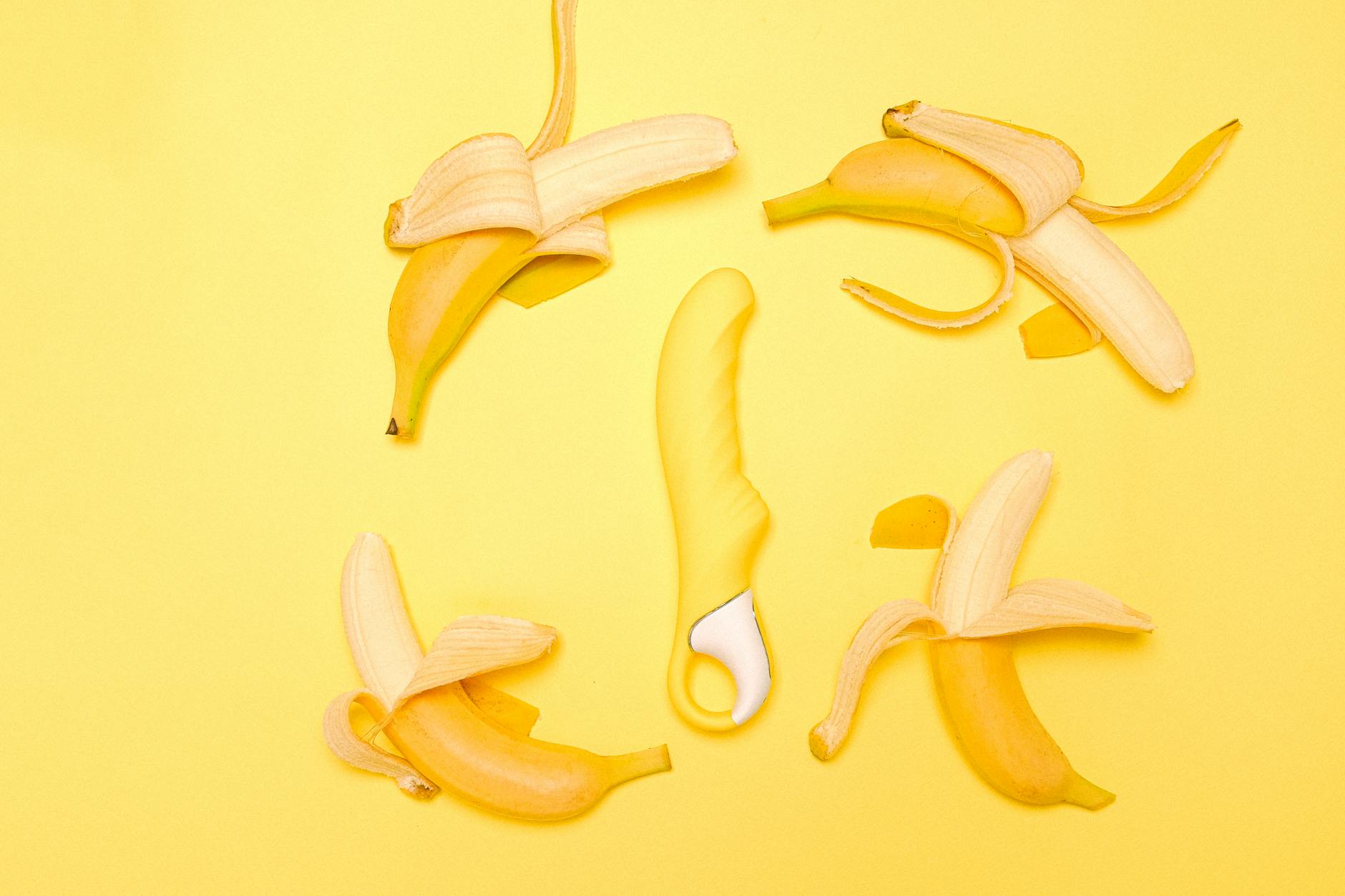
Here's the thing about sleep and sex
When you're running on five hours of sleep, your body doesn't want pleasure. It wants coffee and a horizontal surface. This isn't weakness or low libido. It's biology working exactly as designed. Sleep deprivation suppresses dopamine and testosterone, floods your system with cortisol, and makes your nervous system hypersensitive to irritation while simultaneously numb to pleasure. You get the worst of both worlds.
But here's what people don't talk about: you can still have fantastic sex and arousal when you're tired. It just requires understanding what sleep loss actually does to sensation, desire, and response time. And often, it requires different tools.
What sleep deprivation does to your body sexually
Let's break down the actual physiology, because "I'm too tired" masks several distinct problems.
First, dopamine drops. This is the neurotransmitter that drives desire, motivation, and reward sensation. After poor sleep, your dopamine levels tank for 24 to 48 hours. That means you don't want sex, and when you do have it, the pleasure registers quieter than usual. It's not that sensation is gone. It's that your brain isn't coding it as a reward.
Second, cortisol stays elevated. Sleep deprivation keeps your stress hormone high even when you're resting. High cortisol suppresses testosterone in everyone, regardless of what reproductive organs you have. Lower testosterone means reduced sexual motivation, slower arousal, and weaker pelvic floor engagement.
Third, your nervous system becomes dysregulated. You're simultaneously more irritable and more numb. Touch that would feel lovely when you're well-rested might feel annoying or overstimulating. At the same time, it takes longer and more intensity to reach arousal.
Fourth, blood flow is impaired. Sleep is when your cardiovascular system recovers. Without it, genital blood flow is sluggish, meaning arousal takes longer to build and feels less intense.
The silver lining: all of this is reversible. One good night of sleep doesn't fix it, but within 48 to 72 hours of normal sleep, these systems start recovering.
Why lemon vibrators work differently when you're exhausted
A lemon clitoral vibrator like the Lem isn't just more intense. It's more efficient. Here's why that matters when you're sleep-deprived.
Traditional vibrators rely on sustained friction to build arousal. When you're tired, that feels effortful. You have to engage consciously, stay focused, and keep moving. Your brain is too exhausted for that.
Air-suction vibrators work differently. They create a gentle pulling sensation that doesn't require friction or constant repositioning. The stimulation pattern works with your nervous system instead of against it. When cortisol is high and your system is irritable, that gentler approach often feels better than direct vibration.
Second, the Lem's pulse pattern can trigger arousal faster. When dopamine is low and your brain is struggling to code pleasure as a reward, you need consistent, recognizable sensation. The Lem's rhythmic pattern creates a clear signal that your tired nervous system can latch onto.
Third, air-suction stimulation activates different nerve pathways than traditional vibrators. It can feel more focused and require less overall stimulation to reach the same sensation. When you're exhausted and your whole system is running on reserve, that efficiency matters.
The timing and setup that actually works
When you're sleep-deprived, "spontaneous" sex usually doesn't happen. Your body isn't going to surprise you with desire at random. So stop trying.
Instead, treat pleasure like you'd treat exercise when tired. You're not going to feel like it. You have to schedule it and lower the activation energy.
Best timing: right after sleep, or after a short nap. Your dopamine and cortisol levels shift within 20 to 40 minutes of waking. That window is your sweet spot. You don't have to wait until you're fully rested.
Second best: in the afternoon, ideally with a 15 to 20 minute transition buffer. A walk, a shower, or even just sitting quietly for a few minutes helps your nervous system shift out of task-completion mode.
Worst timing: late evening when you're cognitively exhausted. Your brain is already shutting down. Adding stimulation feels like one more demand, not a reward.
Setup: lose the pressure to reciprocate. If you're partnered, communicate this clearly. "I want pleasure, but my bandwidth is low." That might mean you're being touched while you use the Lem. It might mean your partner is present but not the primary actor. It definitely doesn't mean performance.
The actual technique when exhaustion is winning
Start at pattern one or two, not your usual intensity. Sleep deprivation makes your nervous system both hypersensitive and numb, which feels contradictory because it is. Lower intensity lets you find the sweet spot without overstimulation.
Allow 10 to 15 minutes of warm-up. Touching, kissing, or just breathing together. Sleep loss slows arousal, and your tired brain needs a longer runway to shift into pleasure mode. Rushing this part means you'll be chasing sensation that isn't coming.
Use lube even if you normally don't. Sleep deprivation affects genital blood flow, which means natural lubrication is often reduced. Water-based lube eliminates friction friction and makes the Lem feel smoother.
Focus on the rhythm, not the orgasm. When you're tired, goal-oriented pleasure often backfires. Instead, pay attention to the sensation itself. The Lem's pattern becomes meditative. Your job is to notice, not to achieve.
Stop if it feels like work. Seriously. If after 10 minutes you're still feeling flat, switch gears. Watch something, kiss your partner, or just rest together. Forcing pleasure when you're exhausted teaches your body that sex is one more demand. That's the opposite of what you want.
Why sleep matters more than you think
I see a lot of people trying to solve their libido problems with toys, communication, or relationship fixes. Often, the real problem is sleep. You can't build desire or sensation on a foundation of 5 to 6 hours a night, no matter what toy you own.
This doesn't mean you have to choose between rest and pleasure. But it does mean that if sleep deprivation is chronic, the lemon vibrator becomes a stopgap, not a solution.
If you're consistently tired and your desire is consistently flat, the conversation needs to shift to sleep first. That might be scheduling changes, therapy for untreated anxiety or depression, sleep apnea screening, or just accepting that certain seasons of life are lower-libido seasons. The Lem helps you stay connected to your body during those seasons. It doesn't replace sleep.
When to know something else is happening
If you're well-rested and still completely flat, or if pleasure used to be there and now it's gone, that's a different problem. Sleep deprivation is a temporary state. Loss of libido after months of good sleep, or numbness that doesn't shift with rest, usually points to depression, anxiety, hormonal changes, or medication side effects.
That's when you need a doctor, not a different vibrator. The Lem is a tool for maintaining pleasure during temporary life stress. It's not a treatment for underlying sexual dysfunction.
When you're just exhausted, though. When you know sleep deprivation is the culprit. That's when the Lem becomes your best friend. It works with your tired nervous system instead of demanding more from it. It gives you pleasure without asking for performance.
And here's the thing: a little bit of pleasure and connection, even when you're running on fumes, matters. It reminds your body that pleasure exists. It keeps the nervous system from completely shutting down sensation. It helps you stay bonded to your partner when everything feels hard.
Sleep deprivation is temporary. Your capacity for pleasure isn't.
People also ask
How long does it take for sleep deprivation to affect sexual desire?
Your dopamine and testosterone start dropping within 24 hours of poor sleep. By 48 hours of chronic sleep loss, most people report noticeable decreases in desire and sensation. The good news is this reverses quickly. One full night of normal sleep begins restoring dopamine within 24 hours, though it typically takes 48 to 72 hours for full recovery.
Can I still use lemon vibrators if I'm extremely tired?
Yes, but adjust your approach. Use lower intensity, allow longer warm-up time, and skip the pressure to orgasm. The Lem works well specifically because it requires less active engagement than traditional vibrators. That said, if you're so tired you feel emotionally numb, rest is the better choice. Pleasure should feel rewarding, not like another task.
Does sleep deprivation make the clitoral vibrator feel less intense?
Yes. Poor sleep impairs blood flow to genital tissue and suppresses dopamine, which codes sensation as pleasurable. The physical stimulation might feel similar, but your brain isn't registering it as intensely. This usually reverses within 48 to 72 hours of normal sleep. If numbness persists after good sleep, that's worth discussing with a doctor.
Should I schedule sex when I'm sleep-deprived?
Yes, actually. Spontaneous desire is usually the first casualty of sleep loss. Scheduling removes the pressure to "feel like it" and lowers activation energy. The key is timing it right: right after waking, or after a short nap and transition buffer. Late evening when you're cognitively fried is usually counterproductive.
Does caffeine help with arousal when I'm tired?
Caffeine can help with the cognitive part of arousal, but it doesn't restore dopamine or testosterone levels that sleep deprivation suppresses. You might feel more alert, but your nervous system is still dysregulated. A short nap is more effective than another coffee if you're trying to restore desire.
What if my partner is well-rested and I'm exhausted?
This is real friction in a lot of relationships. Communication is essential. You might agree that on low-sleep nights, pleasure is solo or centered on you without reciprocal pressure. Or you might decide certain seasons are lower-libido seasons and that's okay. The Lem helps you stay connected during those gaps without asking you to perform beyond your capacity.