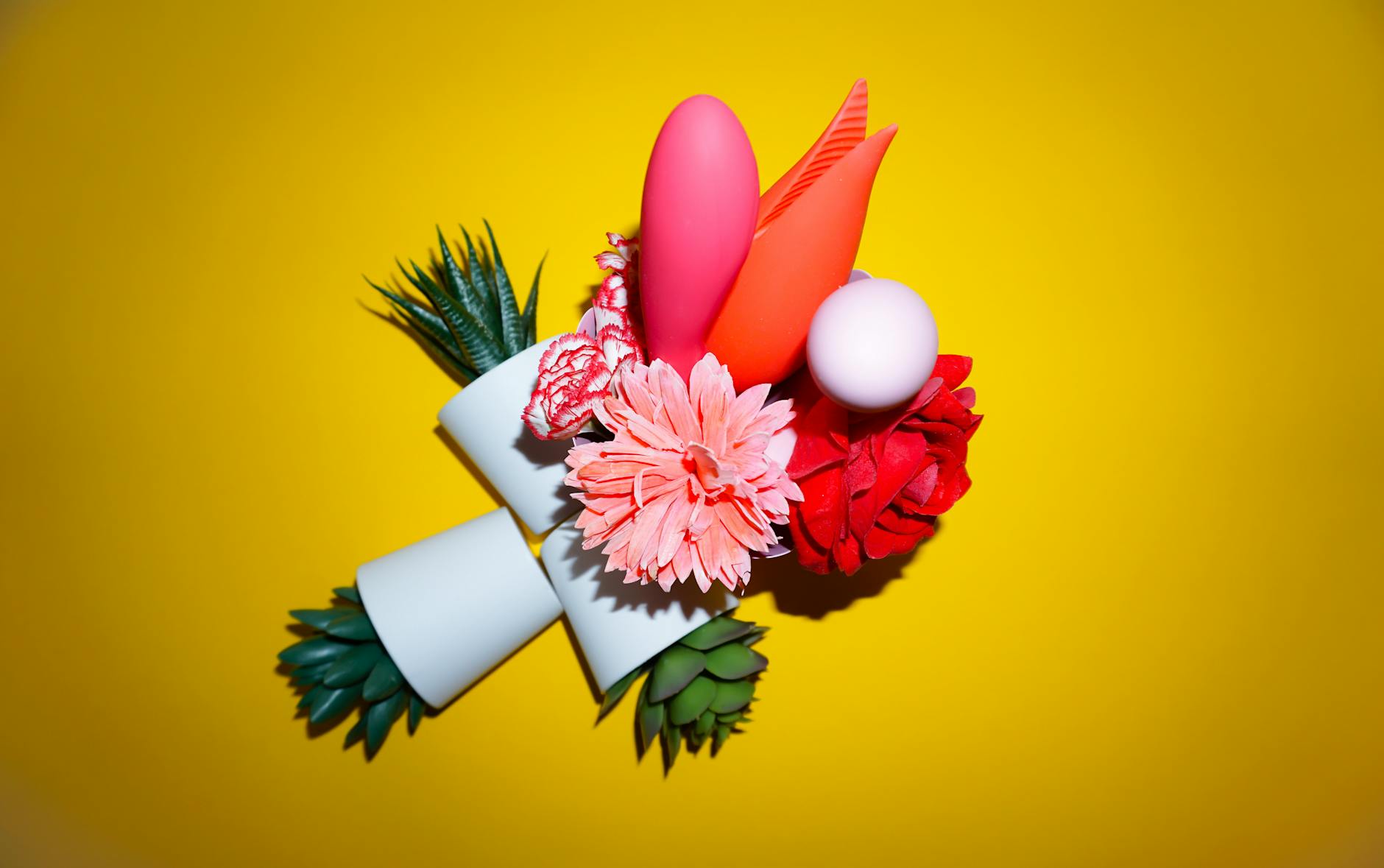
How to Use Lemon Vibrators When Sensitivity Changes With Age
The honest part nobody explains
Let's be real. Sensitivity changes as we age. It's not a decline so much as a shift. Your nerve endings don't go anywhere, but the way they respond to stimulation, the time it takes to warm up, and what feels good all evolve. Most people think this means pleasure ends. It doesn't. It means you need to adjust.
I work with couples and individuals across decades of life, and I see the same pattern repeatedly. Someone reaches their 40s, 50s, or beyond and notices touch feels different. Orgasms take longer. The intensity might feel softer. And then they panic, thinking they've lost something they can't get back. That's not accurate. You've just outgrown the old approach.
What actually changes in nerve sensitivity
Three things happen as we age, and they're all manageable.
Nerve receptors shift slightly. The density and responsiveness of nerve endings change gradually over decades. This is particularly noticeable in the clitoris, which contains around 8,000 nerve endings that don't disappear but do alter their firing patterns. That means direct, intense stimulation might feel less precise than it used to. Broader, more sustained pressure often feels better.
Blood flow slows. Arousal depends partly on blood vessel dilation and blood pooling in the pelvic region. As we age, this process takes a bit longer. It's not a malfunction. It's just a longer build-up period, which honestly can deepen the experience if you stop fighting it.
Lubrication patterns change. Particularly if estrogen levels have shifted (which happens gradually for everyone, not just after menopause), natural lubrication might be less automatic or less abundant. This is purely a mechanical issue with a mechanical solution. It doesn't affect your capacity for pleasure at all.
Why the approach changes, not the capacity
Here's the thing that matters most: the brain's pleasure centers don't age. Your ability to have powerful, full-body orgasms is still there. What changes is the path to get there.
When I talk to people who say they had "better" orgasms when they were younger, we usually discover two things. First, they had more uninterrupted time and fewer distractions. Second, they didn't second-guess themselves. The physiological capacity for pleasure is still intact; the context and confidence shifted.
Using lemon vibrators when you're 45 or 55 isn't about lowering expectations. It's about matching your technique to your current nervous system. That often means the experience becomes more intense, not less, because you're finally working with your body instead of against it.
The three adjustments that make the biggest difference
Slower warm-up, better payoff. If arousal took 10 minutes at 25, budget 20-30 minutes at 50. That's not a loss. That's foreplay. Spend those extra minutes on touch, mental connection, fantasy, or solo exploration before introducing a lemon vibrator. Your nervous system will catch up. When it does, you've got a longer runway toward climax, which often means more intense release.
Start lower, build higher. The lemon vibrator has a graduated intensity range. At 25, you might have jumped straight to pattern 4 or 5. At 45 or beyond, start at pattern 1 or 2 and spend a full minute or two there. Let your nerve endings acclimatize. Then move up. This isn't wimpy. It's strategic. You're teaching your body to recognize finer sensations before amplifying them.
Broader stimulation beats pinpoint. The lemon vibrator's suction cup design is perfect for this because it engages the entire clitoral complex, not just the external glans. Instead of looking for one tiny hot spot, you're working with a wider zone of sensitivity. That matches how aging nerve endings often feel best. Apply pressure, hold it steady for 10-15 seconds, then slowly vary the intensity. Let your body find the rhythm, not the toy.
What doesn't change, and why that matters
Your capacity for multiple orgasms, your desire, your fantasy life, your ability to connect with a partner or with yourself. None of that ages. Your clitoris doesn't shrivel. Your pelvic floor doesn't stop functioning. Your brain doesn't lose its erotic software.
What often feels like a loss is actually exhaustion, stress, or relationship stagnation wearing a biological disguise. By the time someone reaches their 40s or 50s, they've usually carried decades of expectation about what sex "should" feel like. That mental weight is heavy. Letting it go often opens more space for pleasure than any physiological shift could close.
Practical timing and technique
If sensitivity has changed, this is what I recommend to most clients.
Start with at least 10-15 minutes of non-genital touch. Neck, shoulders, inner thighs, breasts, lips. Let your nervous system warm up. Your clitoris isn't the only zone of sensitivity. Activate the whole body first.
Then introduce the lemon vibrator at the lowest setting. Hold it gently against the outer clitoral area or the mons pubis (the area above the clitoris). Don't move it around. Let it sit there, building steady sensation. This is called static contact, and it works better for aging nerve endings than rapid circles or waves.
After 20-30 seconds, move the toy slightly. Maybe 1-2 centimeters. Wait another 20-30 seconds. Keep the intensity low. You're mapping what feels good, not chasing a target. This sounds slow. It is. And it works.
If you feel the urge to orgasm, don't chase it. Let it come to you. Soften your effort. That counterintuitive approach is why "older" bodies often report more intense climaxes. You're not fighting your nervous system. You're listening to it.
The role of lube and tissue care
Regardless of age, water-based lubricant is your friend when using any lemon vibrator. As tissues change (again, gradually, for everyone), lube reduces friction and makes sensation clearer. It's not a sign something's wrong. It's just good practice.
I also recommend checking in with your body every month or two. How does sensation feel today? Is arousal building faster or slower? Do certain positions or approaches work better than they used to? This isn't neurotic self-monitoring. It's staying in conversation with your own pleasure, which deepens over time if you pay attention.
When sensitivity changes feel like something else
Sometimes what feels like age-related sensitivity loss is actually medication, stress, relationship disconnection, or depression. Before assuming your body is "aging out" of pleasure, do a quick audit.
Are you on new medications? Talk to your doctor. Certain antidepressants, blood pressure meds, and hormonal treatments change sensation.
Are you more stressed than usual? Cortisol suppresses arousal. Chronic stress can feel exactly like lost sensitivity.
Are you less connected to your partner or to yourself? Emotional intimacy and physical sensation are braided together. If one dips, the other usually follows.
None of these are reasons to assume pleasure has ended. They're just different variables to adjust. And many of them respond quickly to small changes.
The mindset shift that changes everything
Here's what I tell people when they're mourning the sex they used to have. You're not mourning pleasure. You're mourning a specific version of pleasure that belonged to a younger version of you. That's real, and it's worth acknowledging.
But aging pleasure isn't diminished pleasure. It's often deeper, more varied, and more intentional. You know your body better. You're less likely to fake or perform. You probably have more permission to prioritize your own sensation because you've stopped caring so much what you're "supposed" to want.
When you use a lemon vibrator at 45 or 55 or 65, you're not trying to recapture 25. You're discovering what 45 or 55 or 65 wants. That's actually the whole point.
People Also Ask
Does sensitivity loss with age mean orgasms will feel weaker?
Not necessarily. Many people report that orgasms feel different, sometimes more localized or longer-lasting rather than explosive. But intensity isn't the only measure of a good orgasm. Depth, duration, and emotional connection often matter more as we age. When you adjust your technique to match your current nervous system, the quality of orgasm usually improves, even if it looks different on paper.
How long does it take to adjust to age-related sensitivity changes?
Most people notice adjustment within 3-4 weeks of using a new approach consistently. Your nervous system is plastic and responsive, even as it ages. That said, some shifts are gradual. Give yourself at least a month of experimentation before concluding that something's not working.
Can lemon vibrators help restore sensation that feels lost?
They can help restore awareness of sensation. The suction-cup design of lemon clitoral vibrators engages a wider area than many other toys, which helps activate dormant nerve endings. But the real work is patience and consistency. Using a toy once every few months won't show much change. Regular exploration, once or twice weekly, does.
Is it normal for arousal to take much longer as you age?
Completely normal. Longer arousal isn't a bug. It's just a different rhythm. And there's research suggesting that extended arousal can lead to more intense and more frequent orgasms. The key is reframing the extra time as foreplay rather than a problem to solve.
Should I use a different lemon vibrator pattern as I get older?
Not necessarily a different vibrator, but a different approach to using it. Start at lower patterns, use static contact instead of movement, and give yourself more time in each setting before advancing. The lemon vibrator's full range of patterns stays available to you. You're just accessing them more strategically.
What if sensitivity changes feel sudden rather than gradual?
Sudden changes in sensation or arousal warrant a conversation with your doctor. They might point to medication shifts, hormonal changes, or something treatable like diabetes or cardiovascular changes affecting blood flow. Don't assume it's just aging. Get it checked. Often it's fixable.
Sensitivity changes as we age, but desire doesn't have to. With lemon vibrators and a willingness to adapt your technique, your pleasure at 50 or 60 can be as rich as it was at 25, just different. And different, I've found, is often better.