How to Use Lemon Vibrators When Exploring Solo Pleasure After Years of Partnered Sex
Your body knows how to feel good. After years of partnered sex, rediscovering that solo can feel awkward, selfish, even foreign. Here's how to move through that and find your way back.
Let me name the thing nobody says out loud: transitioning to solo pleasure after years of partnered sex feels genuinely strange. You're not broken. You're not selfish. You're also not actually beginning from zero. What you are is recalibrating. Your body hasn't forgotten how to feel pleasure. It's just been on a different track for a while.
After a long partnership ends, many people feel pressure to immediately embrace solo play like it's liberation. But honestly? It can feel more like loss at first. The rhythm was different. The context was different. Someone else was there, which meant you could stop thinking about "Am I doing this right?" and just receive. Solo play requires you to be both the giver and receiver, and that's an actual skill you might need to rebuild.
The good news: lemon clitoral vibrators like the Lem are designed for exactly this relearning process. They meet your body where it actually is right now, not where you think it should be.
Three physiological and psychological shifts happen when you move from partnered sex to solo:
1. You lose the external arousal boost. When a partner touches you, your nervous system gets external input. Anticipation, novelty, responsiveness. Solo, you have to generate all of that internally. This isn't weakness. It's just a different task.
2. Your pelvic floor patterns have shifted. After years of a partner's rhythm, your pelvic floor has trained into certain engagement patterns. When you're solo, you're not being stimulated externally in the same way, so the muscles behave differently. It takes a few weeks of solo play to reset that muscle memory.
3. You're contending with mental friction. Is this selfish? Am I weird for wanting this? Should I be doing something else? These quiet narratives run under the surface and they genuinely suppress arousal. Partnership didn't require you to interrogate your right to pleasure. Solo play does, at least initially.
Understanding this helps you approach the transition with patience instead of judgment.
Clitoral vibrators work for solo play for a specific reason: they bypass the need for external arousal input. You're not waiting for someone to build you up. The vibration does the neurological work of engaging the clitoris and surrounding tissue without requiring the full-body coordination that partnered sex demands.
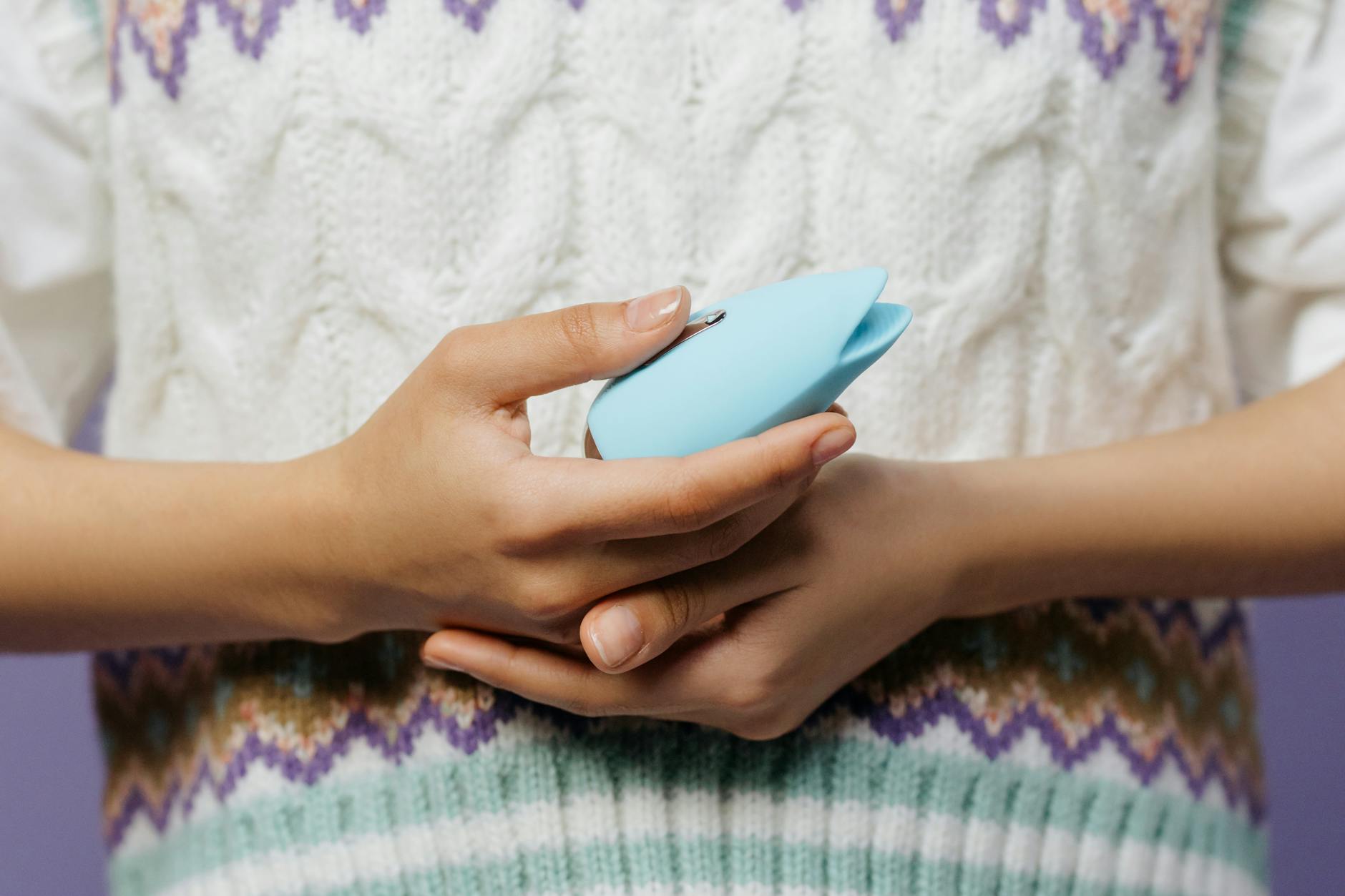
Lem vibrators, specifically, use air-suction technology. That means the stimulation feels less like traditional vibration and more like gentle rhythmic pressure. For someone transitioning back to solo play, this is valuable because:
It doesn't require as much direct manual technique. You're not coordinating two hands or a partner's attention.
It works well with bodies that have lost some sensitivity after medication, hormonal shifts, or just time.
The suction sensation mimics oral stimulation in a way that feels intuitive, not mechanical.
Many people rediscovering solo play after long partnerships report that it took them out of their head. The sensation is specific enough that it catches your attention and pulls your focus inward.
Here's what I recommend for the first few solo sessions with a lemon clitoral vibrator:
Session 1: Exploration, not performance. Set aside 20-30 minutes with no goal attached. Turn on the Lem at the lowest setting. Explore how it feels on different areas. Clitoris directly? To the side? Mons pubis? There's no right answer. You're collecting data about what your body actually responds to right now, not what it used to respond to.
Session 2: Find your baseline. You now know which areas feel good. Spend this session working at patterns 1-3, building arousal slowly. Notice where your mind drifts. If it drifts to performance anxiety or "should," name it and let it pass. Bring your attention back to sensation.
Session 3: Permission to actually enjoy it. By the third time, most people notice that the mental chatter quiets. That's not accident. Your brain has established that this is safe, intentional, and part of your life. Let yourself actually feel pleasure.
The physical part is half the puzzle. The mental part is often the bigger hill.
After years of partnered sex, your pleasure became entangled with someone else's presence, desire, and validation. Solo play requires untangling that. Here's what helps:
Give yourself permission without conditions. This isn't about compensating for a breakup. It's not about proving you're "over it." It's simply reclaiming a part of your body's capacity. That alone is the entire justification.
Expect the first few times to feel a bit mechanical. You're learning a new coordination. That's normal. Sensation deepens when repetition happens. Most people report that weeks 2-4 feel dramatically different from week 1.
Name the old narrative and choose a new one. If you catch yourself thinking "This is sad because I'm alone," pause and rephrase: "This is valuable because it's mine." That's not toxic positivity. That's actually true. Solo pleasure is the only time your body's response belongs entirely to you, uncomplicated by anyone else's needs or presence.
Transitioning solo also means rebuilding the context around your pleasure.
When you were partnered, sex might have happened on a partner's schedule. Solo, you get to choose. That freedom can feel disorienting. Here are practical anchors:
Choose a time when you're naturally awake. Not exhausted, not buzzing on caffeine. Early evening works for most people.
Give yourself a real transition. Solo play works better when you've actually put down your phone and closed the loop on the day. Five minutes of settling down before you begin makes a difference.
One tool at a time. Don't layer in multiple new things. Just the lemon clitoral vibrator. Master that before you add anything else.
Vary the frequency but be consistent. Start with 2-3 times a week if that feels accessible. Consistency matters more than frequency. Your body adapts faster when there's a pattern.
Most people transitioning to solo play hit a few predictable walls. Here's how to move through them:
"I feel guilty doing this." Guilt about solo pleasure usually traces back to messages about sexuality being relational or reproductive. But your nervous system has genuine needs for sexual release and pleasure. That's not frivolous. It's foundational self-care.
"It takes forever for me to finish." After partnership, your body's arousal pathway is different. Expect it to take 15-25 minutes instead of 5-10. That's not broken. It's just recalibrating. Using a lemon clitoral vibrator helps because the stimulation is consistent and reliable, which allows arousal to build steadily instead of plateauing.
"I'm not sure what to think about." You don't need to think about anything. Some people use fantasy. Others focus on pure sensation. Some people play music or listen to something. There's no requirement. If your mind wants a story, fine. If it wants to stay with your body, also fine.
"I feel weird about being this focused on my own pleasure." This is actually healthy. You've spent years being half of a couple. Solo play is practice in centering your own experience. That skill makes everything better, including eventual partnered sex if you choose to have that later.
Three to six weeks is typical. The first two weeks feel mechanical and that's fine. By week three, most people notice their body settling into its own rhythm. By week six, it's usually feeling natural again.
Absolutely. Solo pleasure and grief aren't mutually exclusive. Your body's capacity for pleasure doesn't evaporate because your heart is broken. In fact, reconnecting with sensation can be grounding during emotional transitions.
No. Solo play and partnered sex use different arousal pathways. Learning your own body better actually makes you a better partner because you understand what works for you. That information is valuable in future partnerships.
Check three things: Are you using lubrication? Is the battery charged? Are you patient enough to let arousal build for 10-15 minutes instead of expecting instant response? If all three are covered and you're genuinely getting zero sensation, contact The Lemon Sucker support team.
Yes, typically. Partnered sex has novelty and external stimulation. Solo play is more internal and meditative. The intensity is different, not less. Many people find they prefer the intimacy of solo sensation once they settle into it, even though the peak might look different.
The Lemon Sucker ships discreetly and their entire point is that your pleasure matters. This is a normal part of self-care. If you're struggling with the shame piece, that's worth naming. Pleasure isn't something to hide from yourself.
Your body knows how to feel good. It's been trained into a partnered rhythm, and now it's learning a solo one. That's not regression. That's actual adult growth. The lemon clitoral vibrators are tools for that conversation with your own body. Use them with patience, without judgment, and with the understanding that rediscovering solo pleasure is one of the most straightforward acts of self-knowledge you can do. If you have questions or want to explore this further, reach out to The Lemon Sucker team at /contact.