Let's be real about what happens to desire when you become a parent
Your desire doesn't vanish. It shifts. And that shift is so disorienting because nobody warns you about it in any meaningful way. You get told "your libido might change" the way you're told "you'll be tired," which lands somewhere between useless and insulting because it doesn't capture what actually happens: you become a different person with different triggers, a different body, and a completely different relationship to your own sexuality.
Parenthood rewires what turns you on, when you want it, and whether you can even access pleasure when you want to try. Here's what I see clinically with couples navigating this transition, and what actually helps you reconnect.
The three major desire shifts that happen after kids
First, the obvious one. Touch deprivation becomes touch saturation. You spend 12 hours a day being touched, held, grabbed, climbed on, and needed physically. By the time your partner reaches for you, your nervous system has already burned through its touch quota. This isn't about attraction. It's about sensory bandwidth. You have none left.
Second, your body changed. Even if nothing visible altered, your nervous system did. Hormones shifted. If you gave birth, your pelvic floor is different. Your relationship to your own body shifted from "mine" to "public property" in a way that's hard to explain to someone who didn't experience it. Many parents describe feeling disconnected from sensation below the waist not because there's a physical problem, but because that space still feels borrowed.
Third, your identity rewired. You're not the person you were. You're someone's primary caregiver now, which is meaningful and also genuinely dysphoria-inducing for many people. The version of you that felt sexy, spontaneous, and selfish enough to prioritize pleasure is now rationing sleep like it's a controlled substance. That version feels inaccessible.
Why standard advice doesn't work
Couples therapists will tell you to schedule sex. That's correct technically and useless practically because desire doesn't follow a Google Calendar reminder when your brain is running at 140% capacity. You'll show up to the appointed time and spend 15 minutes staring at the ceiling wondering if you turned off the baby monitor.
Other people will suggest you just need to prioritize "couple time," which implies the problem is a decision. It's not. It's neurochemical. Your parasympathetic nervous system is offline. Candlelight isn't bringing it back online.
What actually works requires two separate conversations. One is about logistics: how do you create actual space where interruption is off the table? The other is about relearning your own body in isolation before you try partnered sex again.
How lemon clitoral vibrators fit into this restart
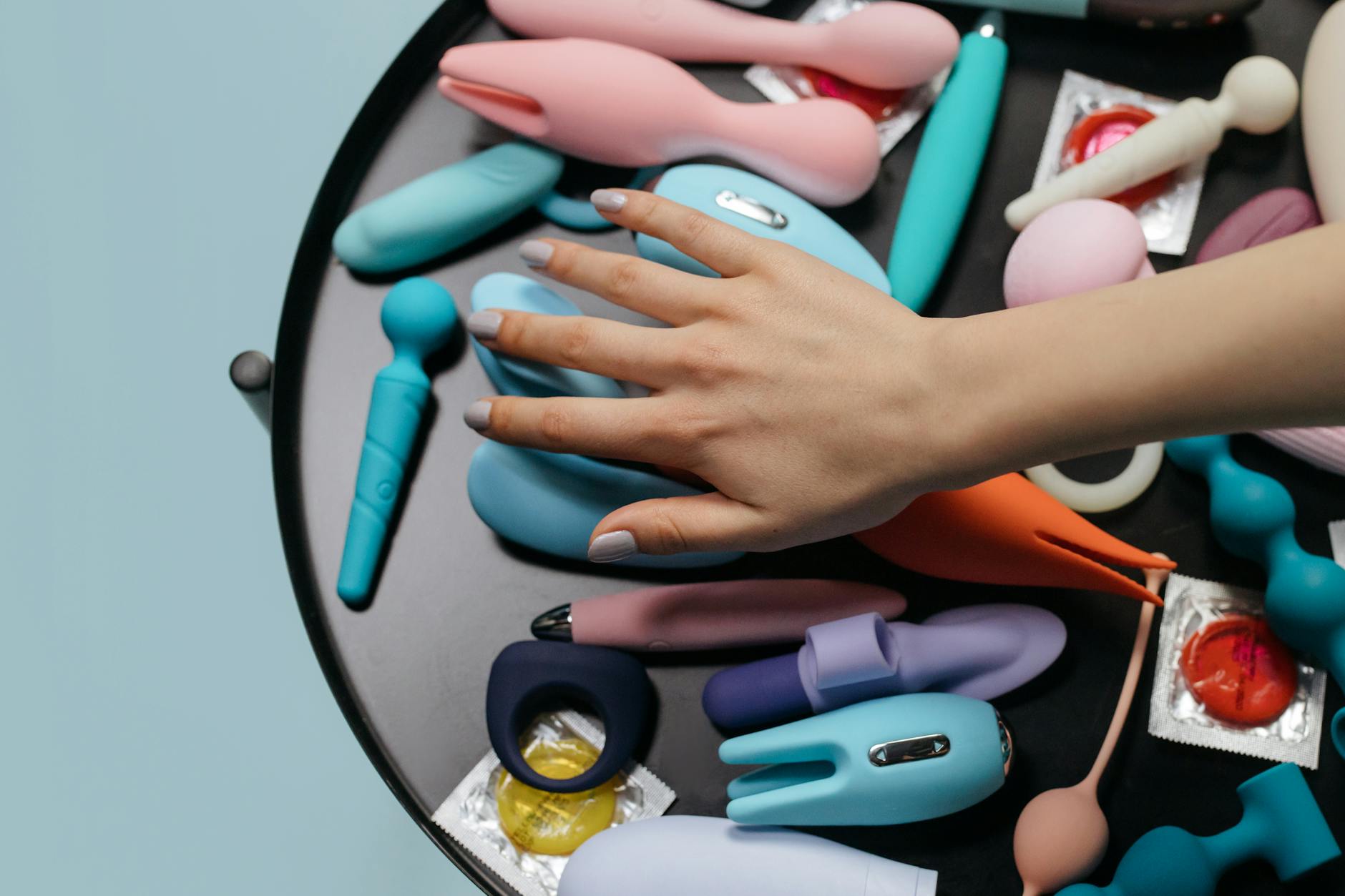
Here's why air-suction toys like the Lemon Clitoral Vibrator work particularly well for people rebuilding desire after parenthood: they're efficient without being clinical. You don't need performance. You don't need partnering. You need 8 minutes alone where your only job is to notice sensation again.
Solo play isn't selfish when you're burnt out. It's the equivalent of taking a shower. It's hygiene for your nervous system. Using a lemon vibrator on your own reestablishes the pathway between wanting something and giving it to yourself, which parenthood has systematically dismantled. You've spent months saying "not now" to your own needs. Pleasure feels foreign because you've been practicing denial.
Start small. Fifteen minutes alone, door locked, no phone. One setting on the lemon vibrator. The goal is not orgasm. The goal is noticing that sensation exists and that your body still responds. Many parents find that just being able to feel something again is enough to shift the internal story from "I'm broken" to "I'm rebuilding."
The reintegration timeline that actually works
Three phases. Phase one is solo. You use a lemon vibrator or another clitoral vibrator alone, with no expectation of outcome, for about two weeks. The goal is notification. You're reminding your nervous system that pleasure is a thing that exists.
Phase two is low-pressure partnered touch. Your partner touches you while you use the vibrator, but they're not doing anything. They're just present. Many couples find this phase takes two to four weeks because it requires your nervous system to adjust to being touched by another person while also focusing on sensation.
Phase three is actual partnered sex, but with an adjusted script. Shorter sessions. Different positions if you need them. The vibrator stays in play because you're not trying to prove anything. You're rebuilding capacity.
This timeline matters because skipping phase one or rushing through phase two is where couples get stuck. You can't go from full depletion to spontaneous desire. The nervous system doesn't work that way.
What changes about stimulation preferences after kids
Many parents find that what worked before kids doesn't anymore. Overstimulation is harder to recover from when your baseline is already maxed. You might prefer gentler patterns on your lemon vibrator or shorter sessions. You might want the person you're with to be quieter. You might need more recovery time afterward.
This isn't a setback. It's data. Your body is telling you what it actually needs right now instead of what you thought you should want. Paying attention to that preference shift is the difference between forcing yourself through something that doesn't work and actually rebuilding pleasure.
If you have a partner, naming these preferences explicitly is crucial. "I need the lowest setting and then I'm done" is radically different from trying harder or lasting longer. Most partners desperately want to know what will actually work. They're not rejecting you if something used to feel good and doesn't anymore.
The conversation you need to have that you're probably avoiding
Here's the one most couples skip, and it's the one that matters most. You need to tell your partner that desire shifting after kids doesn't mean you want them less or that you're broken. It means your body is in a different operating system, and it needs different conditions.
That conversation is uncomfortable because it requires admitting that you're not the partner they married. You're someone less available, more touched out, and probably resentful in ways you haven't quite acknowledged. That's the real block, not the physical response.
If you can separate the mechanics (lemon vibrators, stimulation preferences, timing) from the emotions (I feel less sexy, I'm mourning my old body, I'm angry about the inequality of this), then you have a shot at actually rebuilding rather than just forcing through.
When to know you need external support
If desire hasn't returned after six months of intentional practice, talk to someone. If the thought of sex triggers anxiety or anger rather than lack of interest, that's also a sign that the block is psychological rather than physical. If you feel completely disconnected from your body even in solo play, that might be postpartum depression or postpartum anxiety, and you need clinical support.
Most of the time, this transition is normal and navigable. But some of the time, it's a symptom of something deeper that requires more than a lemon vibrator and good intentions.
The thing nobody tells you about desire and parenthood
It doesn't come back the same way it left. You won't suddenly feel like you did before kids. What you get instead, if you rebuild intentionally, is something more functional. You'll know what you actually want instead of what you thought you should want. You'll have tools to access pleasure even when conditions aren't perfect. You'll have a partner who knows your nervous system instead of just your body.
That's worth the awkward conversations and the slow rebuild. Your pleasure matters. The logistics of parenthood might make it harder to access, but harder doesn't mean impossible.
People also ask
How long does it take for desire to return after having a baby?
It varies wildly. For some people, the first spark returns around six months postpartum. For others, it takes a year or more, especially if you're breastfeeding or deeply sleep deprived. The physical healing takes about six weeks. The nervous system rewiring takes longer. Don't compare your timeline to anyone else's.
Can you use vibrators while breastfeeding?
Yes. Breastfeeding lowers desire in many people because of hormone levels and the saturation of touch I mentioned. Using a lemon clitoral vibrator during times when you're not actively nursing can help maintain your sense of sexuality separate from caregiving. Orgasms won't impact milk supply.
Why does the thought of sex feel like an obligation after kids?
Because it becomes one. Sex gets added to the list of things you "should" do along with laundry, feeding schedules, and emotional labor. Separating solo pleasure from partnered sex helps because solo use of a lemon vibrator feels like something for you, not something you owe. That shift in framing matters neurologically.
How do I tell my partner that I need a vibrator now when I didn't before?
Straightforwardly. "My body needs different things now. This helps me reconnect with sensation, and it's not about you." If they feel threatened by a vibrator, that's actually a separate conversation about insecurity that using or not using the toy won't solve. Sometimes couples therapy helps frame this accurately.
Is it normal to feel numb or disconnected in the postpartum period?
Completely normal. Your nervous system has been in survival mode. Your body has been used for feeding or carrying. Reestablishing your own sensation takes time. That numbness usually starts lifting around three to six months, but it can last longer. A lemon vibrator can help you track when sensation is returning because you're getting direct feedback from your body.
What if I'm using a vibrator for the first time as a parent?
There's actually no better time. You already feel dysphoric about your body, so the awkwardness of trying something new lands differently. You're not adding to your list. You're creating a space where you're doing something purely for yourself. That's rare and valuable for parents. Start with a gentle setting, give yourself permission to do this for five minutes with no goal, and see what you notice.
You're not starting over. You're just starting differently
Parenthood changes desire. That's not a problem to solve. It's an invitation to understand what you actually want instead of what you were taught to want. Lemon vibrators, or any tool that helps you access your own pleasure, are part of that rebuilding. Your sexuality doesn't end when you become a parent. It just requires honesty about what your body and nervous system actually need right now.