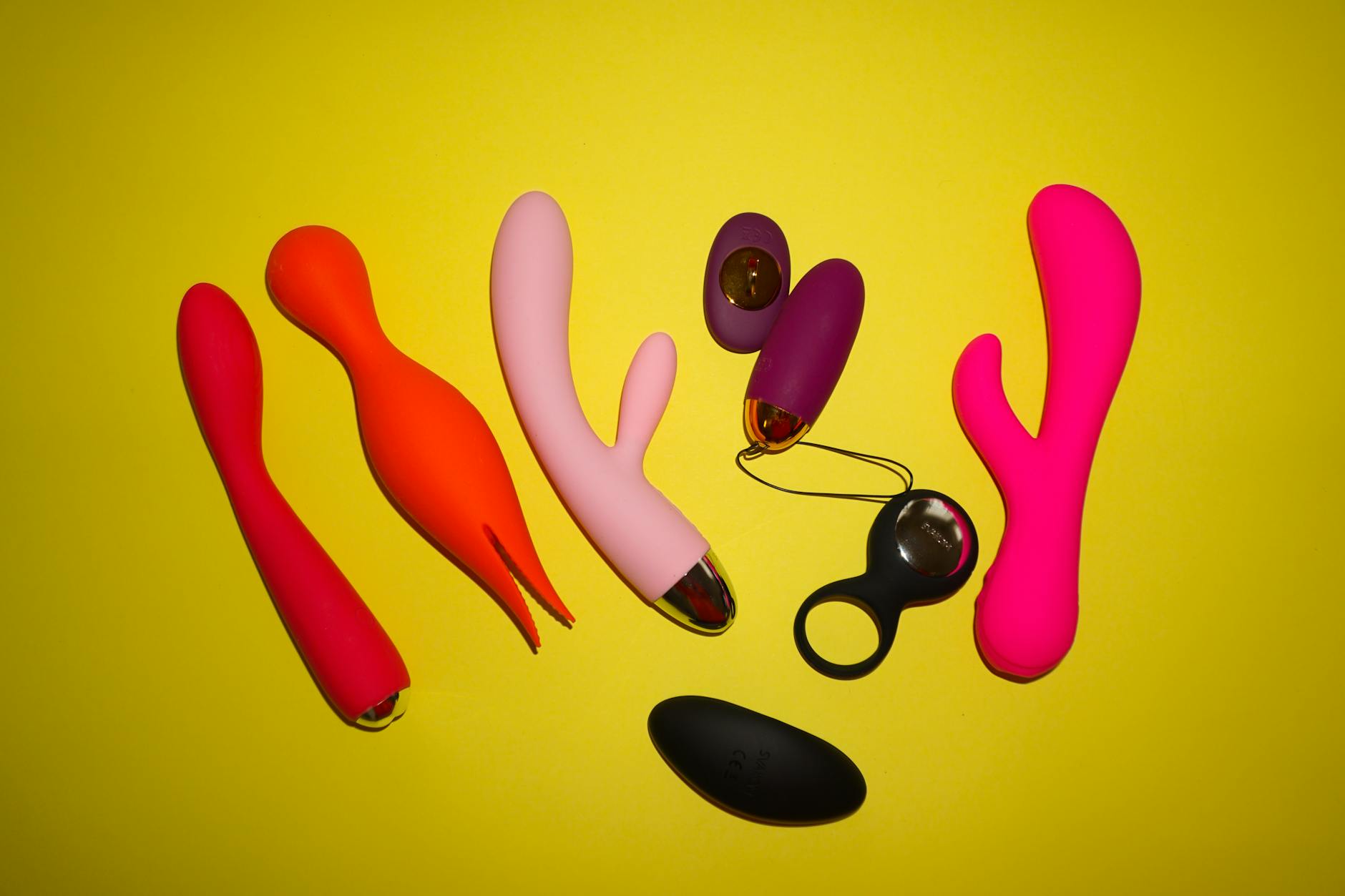
How to Use Lemon Vibrators When Clitoral Numbness Worsens With Antidepressants
Let's start with the honest part: yes, SSRIs kill your sex drive. But it's not your imagination, and it's not just psychological. The same serotonin reuptake mechanism that steadies your mood also dampens genital sensation, delays arousal, and makes orgasm harder to reach. For some people, clitoral numbness gets worse over the weeks and months of staying on the medication.
Here's what makes this tricky. Coming off an antidepressant that actually works isn't an option for most people. But neither is accepting permanent numbness. There's a middle path, and lemon clitoral vibrators sit squarely in it.
What antidepressants actually do to sensation
SSRIs don't numb you everywhere. Your hands still feel touch. Your skin still registers temperature. What they do is selectively dull the genital tissue's response to stimulation, particularly in the clitoris. This happens through two pathways.
First, serotonin affects your autonomic nervous system, which controls arousal. Less available serotonin in the synapse means slower blood flow to the clitoris, less engorgement, and a flattened arousal curve overall. You can get there, but it takes longer and the pathway feels less vivid.
Second, sexual response requires you to be present. SSRIs reduce intrusive thoughts, which is great. But they also reduce your ability to focus on subtle sensations. The background chatter quiets, sure, but so does the signal. It's like turning down the volume on everything, not just the anxiety.
There's a third thing that happens and it's rarely talked about: numbness often worsens gradually. The first few weeks on medication, side effects stabilize and sometimes improve slightly. Then, around week 8 to 16, many people report that sensation gets duller again. This is sometimes called "late-emerging sexual dysfunction," and it's infuriatingly common.
Why lemon vibrators work differently for this specific problem
A standard vibrator creates stimulation through speed and friction. The clitoris receives that stimulus, sends a signal to your brain, and your brain processes pleasure. When serotonin is low, that signal gets fuzzy in transit.
Lemon vibrators, particularly air-suction designs like the Lem, bypass some of that fuzziness. They stimulate through pressure and suction rather than mechanical vibration alone. This creates a different neural pathway. Instead of relying on the finer receptors (which serotonin dysregulation blunts), suction activates deeper nerve clusters that are less affected by SSRI-induced numbness.
Think of it like this. If your clitoris is a radio station and antidepressants have lowered the broadcast signal, a standard vibrator is trying to amplify the weak station. It helps, but the signal is still degraded. Suction-based stimulation is more like bypassing the radio entirely and using the internet to stream the same content. Different pathway, clearer signal.
Research on air-pulse vibrators shows they activate a broader range of sensory receptors than traditional vibratory devices. For people whose sensation has been selectively dampened, this broader activation often translates to feeling more, reaching climax more reliably, and experiencing more intense sensation overall.
Timing and medication cycles matter more than you think
If you take your antidepressant at a consistent time each day, your peak sensation window exists on a schedule too. Most SSRI side effects worsen in the hours after you take the dose. Sensation tends to be slightly less numb 18 to 22 hours after dosing, right before you're due for the next pill.
This isn't huge, but it's real. If you're experimenting with using a lemon vibrator, timing it for your relative peak window makes a measurable difference. Pay attention for a week or two. You'll notice the difference.
Don't skip doses to feel more sensation, obviously. But knowing your medication's timeline helps you plan sex when your body is in the best possible state within that cycle.
Building sensation back up: a practical approach
When clitoral numbness has been present for months, your body has often down-regulated its own sensitivity as an adaptation. You can rebuild this, but it requires a gentle progression.
Start with low-intensity settings on your lemon vibrator. If the Lem or similar device has multiple patterns or speeds, begin on pattern 1 or 2. Spend 15 to 20 minutes at this low intensity, focusing on noticing whatever sensation exists. Not trying to come. Not performing. Just paying attention to what you feel.
Many people find that with consistent, patient low-intensity stimulation over several sessions, sensation gradually returns. Your nervous system rewires itself when given the right input. This usually takes two to four weeks of regular practice.
Once baseline sensation improves, gradually increase intensity. Move from pattern 2 to 3. Try different angles of approach. Add a small amount of lube, which can amplify sensation through different tissue receptors.
The Lem's design is particularly helpful here because its broad, curved contact surface distributes sensation across a wider area rather than concentrating it in one point. This can feel like less "attack" and more "engagement," which many people on SSRIs find more accessible when sensation is already dampened.
What to actually do about the numbness with your doctor
Five concrete conversations to have:
-
Ask if the timing or dose of your medication can shift. Some people find that taking their SSRI at night instead of morning, or taking it every other day (with doctor approval), helps sensation without compromising mood stability. This varies wildly by person and medication.
-
Ask about adding bupropion (Wellbutrin) as an adjunct. It's often prescribed alongside SSRIs specifically to counter sexual side effects. It's not a perfect solution, but it helps some people regain sensation. There are contraindications, so this is a clinical decision, not something to try alone.
-
Ask whether a different SSRI might work for your mood while being gentler on sensation. All SSRIs carry sexual side effects, but they're not identical. Sertraline and fluoxetine tend to be worse than some others. Your psychiatrist can sometimes find an option that's closer to neutral.
-
Ask directly about sexual dysfunction and whether it's considered a serious enough side effect in your case to warrant adjustment. Some doctors assume patients accept it. Naming it explicitly sometimes shifts the conversation.
-
Ask whether a medication holiday (even a short one, with medical supervision) is safe for you. For some people with seasonal mood patterns or other triggers, planned breaks from medication exist on a spectrum between "never" and "maybe, with careful monitoring."
None of these are silver bullets. But none of them are unusual requests either. A good psychiatrist takes sexual function seriously.
Partners and this specific conversation
If you're in a relationship, your partner should know what's happening, but the framing matters. "My medication is making sex harder" is different from "I'm broken and can't feel anything." One invites problem-solving. The other invites reassurance theater.
Consider telling your partner: "I'm noticing my antidepressant is affecting sensation. I want to explore using a vibrator to help rewire things while I'm on it. This isn't about our relationship. It's practical medical management."
Then show them the lemon vibrator if they're curious, but don't make it a couples activity unless that's genuinely appealing. This is usually a solo or self-directed practice, not foreplay with an audience.
If your partner expresses discomfort with toy use, the deeper conversation is about their feelings, not about whether you should abandon your pleasure. Read our guide on how your partner might worry, and how to navigate that together.
The timeline for feeling something again
Damaged sensation from antidepressants doesn't reboot overnight. But it does reboot. Most people using a lemon vibrator consistently report meaningful improvement in sensation within 4 to 8 weeks. Some feel it much sooner. A few take longer.
The variability has to do with how long you've been numb, your baseline sensitivity before medication, the specific SSRI you're taking, and your nervous system's own plasticity.
What almost always happens: you feel something different before you feel something more intense. That different-ness is the sign that rewiring is beginning. Hold that. It matters.
People Also Ask
Can I stop my antidepressant if it's killing my sensation?
Not without medical input. Stopping SSRIs abruptly can trigger discontinuation syndrome (dizziness, mood crashes, brain zaps). More importantly, if the medication is keeping you stable, stopping it isn't the solution to dampened sensation. Work with your psychiatrist on adjustments, not on abandonment.
Do all antidepressants numb sensation, or just SSRIs?
SSRIs are the main culprits, but SNRIs (like venlafaxine) also carry sexual side effects. Tricyclic antidepressants have their own issues. Bupropion is often prescribed because it has the lowest sexual dysfunction rate, though it's not zero. There's no antidepressant with zero side effects, but some are gentler than others on sexual function.
How long does it take for sensation to come back after stopping an antidepressant?
If you stop an SSRI (with medical supervision), sexual side effects usually start improving within 2 to 4 weeks, with more significant recovery by 8 to 12 weeks. Full baseline return can take months. But again, stopping medication isn't usually the right move for someone whose depression or anxiety is well-controlled.
Will a lemon vibrator work if I'm completely numb, or is there a threshold?
Lemon clitoral vibrators tend to work best for people with some residual sensation. If you're completely numb to touch, a vibrator won't help much. That's a sign to escalate the conversation with your doctor about dosage, timing, or adjunct medication before relying on tools to compensate.
Is using a lemon vibrator just "covering up" the problem instead of fixing it?
No. Rebuilding neural pathways and sensation while staying on stable medication is legitimate medical self-care, not avoidance. You're not ignoring the problem; you're managing it on multiple fronts. Medication adjustment, if possible, is the primary lever. Lemon vibrators are the secondary lever that makes the primary lever's job easier.
What if I want to feel sensation again but I'm worried about how my partner will react?
Separate the two conversations. One is about your medical reality and what you need to feel okay in your body. The other is about your partner's feelings about vibrators. You can have both, but not at the same time. Start with the first. Give yourself permission to rebuild sensation. If your partner has concerns, address those once you're clear on your own needs.
The real picture
Antidepressants save lives and improve lives. They're not evil for dampening sensation. But dampened sensation is real, it's common, and it matters. You don't have to accept it as the permanent tax of feeling better mentally.
A lemon vibrator won't replace medication adjustment or doctor conversations. But it can accelerate your body's rewiring while you're on medication that works for your mind. Used consistently and with patience, lemon clitoral vibrators often help people rebuild sensation and sexual satisfaction even while taking SSRIs.
You deserve medication that supports your mental health and pleasure simultaneously. That's not greedy. That's baseline.
Ready to explore? Start here: read our guide to buying your first clitoral vibrator, then reach out to us at /contact if you have questions about which lemon vibrator might work best for your situation.