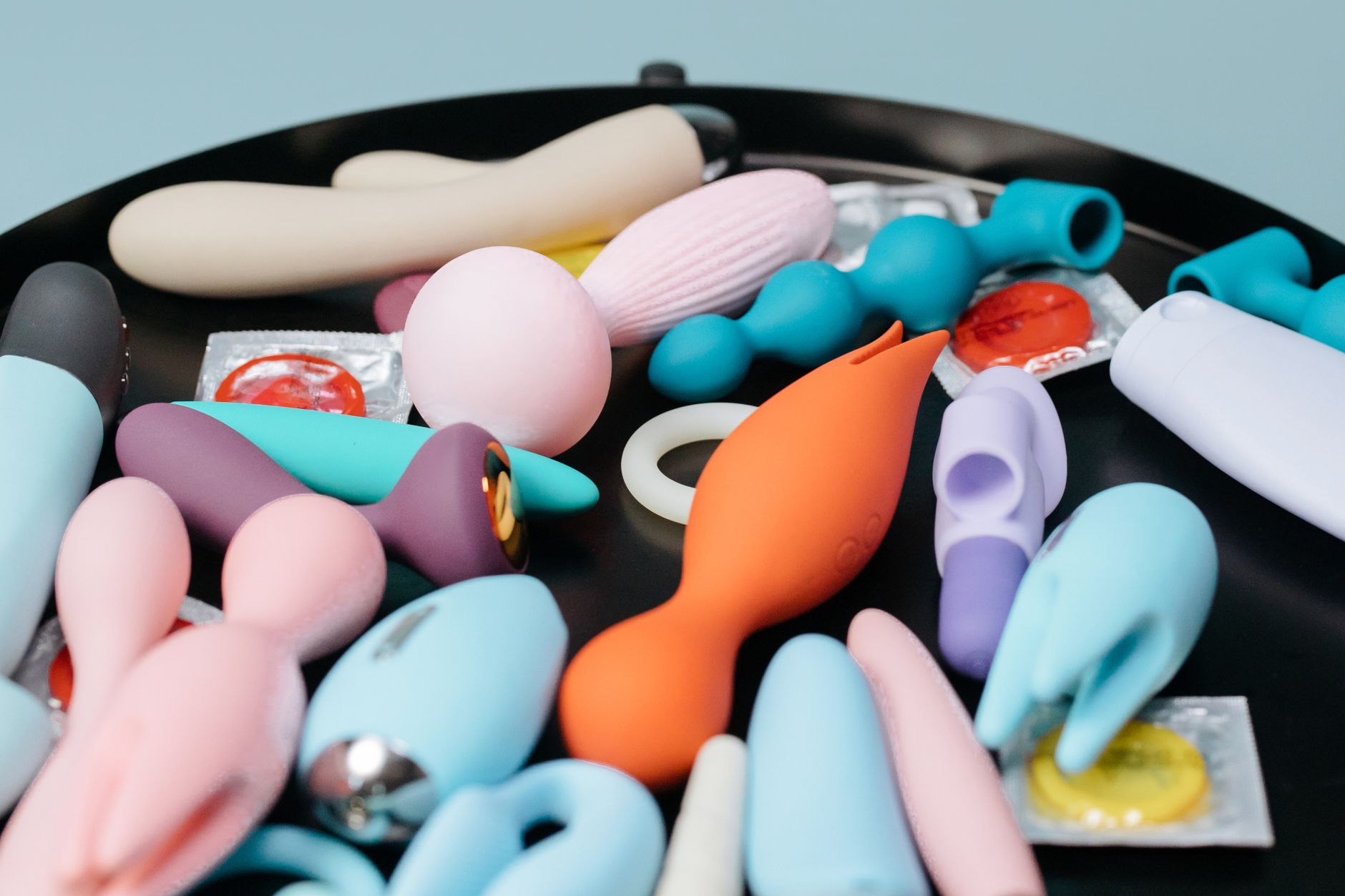
How Lemon Vibrators Help When You're Dealing With Low Libido
Desire doesn't vanish. It gets buried under stress, resentment, and disconnection. Here's how clitoral vibrators restart the conversation with your own body.
Low libido isn't something you catch or something you're doing wrong. It's what happens when your brain stops sending the signal "this is worth your time." The reasons are usually not mysterious. Work deadlines. Partner resentment. Kids interrupting sex twice. Anxiety before bed. Financial stress. All of those fire at once and suddenly you realize it's been three months since you've thought about sex at all.
Desire lives in three places. Your nervous system has to feel safe. Your brain has to have bandwidth. And your body has to remember that pleasure is possible.
When stress is high, your nervous system goes into protection mode. You're literally not wired to want sex when you're in fight-or-flight. When your schedule is packed, your brain has nothing left for anticipation. And when you haven't felt anything down there in a long time, your body starts to question whether it even works that way anymore.
The trap is waiting for all three to fix themselves before you do anything. That can take years.
Clitoral vibrators like those from The Lemon Sucker work differently than your nervous system expects. They're not about performing for anyone. They're not about getting it right. They're about direct, consistent stimulation that your brain can't ignore.
When you use a vibrator solo, a few things happen fast. First, blood flow increases. Your nervous system gets a signal that something pleasurable is happening, which starts to downregulate stress. Second, your brain gets immediate positive feedback. Not the vague maybe-it-might-happen feedback of waiting to feel arousal naturally, but actual sensation happening in real time. Third, your body remembers. After the third or fourth solo session with a lemon vibrator, your nervous system recognizes the pattern and starts priming itself before you even turn it on.
That's the restart. Not orgasm. Just the signal that pleasure is available again.
Your arousal system is trainable. I know that sounds mechanical. It's not. It means your brain literally creates new neural pathways when you practice something consistently.
When you stop engaging with your own pleasure for months or years, those pathways get dusty. Using a lemon vibrator consistently sends a strong signal down those pathways again. Your dopamine system wakes up. Your body's proprioception improves. You start noticing subtle sensations again instead of feeling numb everywhere.
This takes time. You can't vibrator your way out of a dead marriage in two weeks. But you can remind your body that sensation is possible, which is step one.
Low libido usually has a relationship layer. If you resent your partner, a lemon vibrator won't fix that. If you're grieving something, pleasure might feel impossible no matter what device you use. If you're on an antidepressant that's numbing you, the vibrator helps but you might also need to talk to your doctor about timing or dose.
What a clitoral vibrator does is isolate the physical part. Solo pleasure removes the performance pressure, the need to coordinate, the worry about whether your partner's having fun. That separation is actually useful. It lets you feel what's true about your body independent of everything else.
Many of my clients find that once they've had a few strong experiences with a vibrator solo, they want sex again, or at least they want to want it. The desire doesn't teleport into partnered sex overnight. But it stops feeling like something that left permanently.
Here's what usually works. Set aside 15 to 20 minutes. Phone away. Not late when you're exhausted. Maybe morning, maybe a weekend afternoon. Start without the vibrator. Let your mind wander. Notice what turns you on just from thinking about it.
Then use your lemon vibrator on the lowest setting. This is not a race. Let your body tell you what feels good. Change patterns. Speed up. Slow down. Stop. Start again. The whole point is rebuilding that conversation between your brain and your body.
Do this three or four times before you expect any difference. Consistency matters more than intensity. Your nervous system needs to recognize the pattern.
After a few weeks of this, something usually shifts. You notice you're thinking about sex during the day. You have a dream. Your partner touches you and you don't immediately want them to stop. That's the restart working.
Many people worry that using a vibrator solo is somehow cheating or dodging the relationship problem. It's not. It's maintenance. Your body needs touch and pleasure the same way it needs sleep. If you're only getting it partnered, and your partner's not available or interested right now, your system goes into deprivation mode.
If your relationship is basically solid and low libido is the problem, solo pleasure with a lemon vibrator is actually relationship medicine. You come back to your partner more interested, less resentful, less numb. That's better for both of you.
If your relationship has deeper problems, the vibrator helps you figure out what's true. Sometimes low desire is about your partner. Sometimes it's about you. The vibrator, used honestly and solo, lets you answer that question.
Week one: probably nothing. You're just getting familiar with the sensation.
Week two: maybe a few moments where something feels good. Your nervous system starts recognizing the signal.
Week three to four: you might notice thoughts about sex during the day. Your brain's starting to allocate bandwidth.
Month two: desire starts showing up again. Not always. But in moments.
Month three and beyond: if you keep going with it, desire usually returns in a more stable way.
This is not universal. Stress, medication, hormones, and relationship dynamics all affect the timeline. But most people see movement in four to eight weeks if they're consistent.
Low libido needs three things, and a lemon vibrator addresses one really well. It needs your nervous system to feel safe. It needs your brain to have space. And it needs your body to remember pleasure is possible.
A vibrator can't fix a stressful job or erase resentment toward your partner. But it can bypass all that and go straight to the nervous system signal. That matters. Knowing your body still works, that pleasure is still possible, that sensation is still available. That's not nothing. That's often the first domino.
Most people notice some shift in three to four weeks with consistent use. That shift might be small at first: thinking about sex more, dreaming about it, or noticing arousal in your body when you weren't expecting it. Full desire return, if the underlying stress hasn't changed, can take two to three months. The vibrator is a tool, not a cure. It works fastest when paired with addressing the actual stressors lowering your desire.
Yes, but with nuance. Many antidepressants dampen sensation and arousal. A vibrator with stronger stimulation, like a clitoral vibrator from The Lemon Sucker, can sometimes bypass that numbness. That said, if medication is the main culprit, talk to your doctor. Sometimes timing the dose differently or switching medications helps more than any tool. The vibrator and the conversation with your prescriber aren't mutually exclusive.
Completely. Solo pleasure is actually part of what resets your arousal system. You're rebuilding the neural pathways independent of partner performance, partner availability, or partner pressure. That's healing work, not avoidance.
That depends on your relationship and your gut. If you have good communication, yes. "I'm feeling disconnected from pleasure, and I'm trying to rebuild that alone so I can come back to you more interested" is real and relational. If your relationship has trust issues or control dynamics, you might rebuild privately first and bring it up once you're feeling better. There's no universal right answer.
No. If the low desire is about resentment, infidelity fallout, or mismatched values, a vibrator helps you clarify what's true about your own desire, but it doesn't repair the relationship. That takes conversation, possibly therapy, and both people willing to change. A vibrator is a body tool, not a relationship tool.
Then something else is driving it. Hormonal issues, medication side effects, depression, or a relationship that's genuinely over are all possible. A vibrator isn't magic. It's a really effective tool for one specific thing: helping your nervous system and body remember that pleasure is available. If that's not the barrier, look elsewhere. Talk to a doctor, therapist, or both.
Low libido is a conversation your body's having with you. It's not saying "I'm broken." It's saying "something in this life isn't working." The vibrator helps you listen to your body separately from everything else. What you do with that information is up to you. Sometimes it's "I need to reduce stress." Sometimes it's "I need to talk to my partner." Sometimes it's "I need to leave."
The vibrator just clears the noise so you can hear what's actually true. That's where the real work begins.