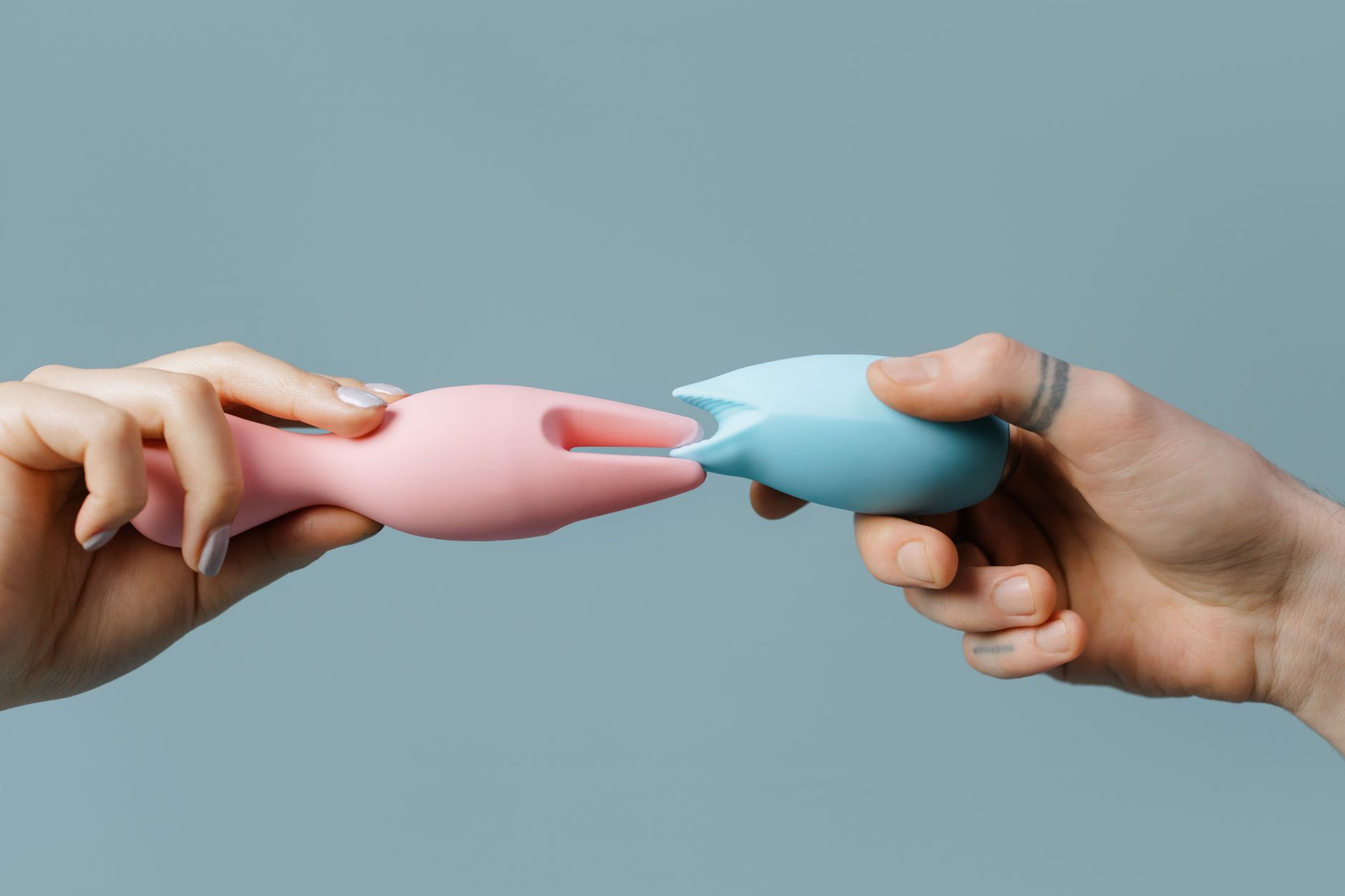
Let's be real. Your doctor probably didn't mention it when they wrote the script. The pharmacist definitely didn't bring it up. But plenty of people taking antidepressants, blood pressure meds, antihistamines, or hormonal birth control notice the same thing: sensation feels muted. Touch feels less vivid. Arousal takes longer. Orgasm gets quieter or harder to reach.
Your body's ability to feel pleasure depends on three systems working together. Nerve sensitivity (how easily signals travel from skin to brain). Neurotransmitter balance (serotonin, dopamine, noradrenaline). Blood flow (which fuels arousal and sensation). Most medications that dampen pleasure mess with at least one of these.
Antidepressants, especially SSRIs, are the most common culprits. They increase serotonin availability, which is great for mood. But serotonin also suppresses dopamine and noradrenaline, the chemicals that drive desire and physical response. The result is often a flattening of sensation that can feel like you're touching the world through a blanket.
Other frequent offenders include beta-blockers for blood pressure (they reduce blood flow), some antihistamines (they cross the blood-brain barrier and dampen the central nervous system), and hormonal birth control (synthetic hormones change tissue sensitivity and blood flow patterns). Even some antibiotics and pain medications can dull sensation over time.
The important part: this is a side effect, not a permanent rewiring. Your nerve endings haven't changed. Your brain's capacity for pleasure is intact. The pathway is just temporarily less responsive.
Here's where clitoral vibrators become genuinely useful. When medication dampens sensation, your body needs more signal to register the same feeling. A lemon clitoral vibrator, especially one using air-suction technology like the Lem, delivers stimulation in a way that bypasses the normal threshold problem.
Air-suction works by creating rhythmic pulses of gentle pressure and release. This isn't a direct friction vibration. It's a pattern that activates a different set of nerve pathways than you'd use with a partner or a traditional vibrator. When sensation is muted, that different pathway can feel sharper, more present, less filtered.
The frequency matters too. Most lemon vibrators operate in the 40-90 Hz range, which is in the sweet spot for clitoral nerve stimulation. Your body doesn't need to be at baseline sensitivity to feel that. It'll register even when other sensation is dulled, because the specific frequency of the vibration is designed to wake up nerve endings that medication has put to sleep.
Not all medications affect pleasure equally, and not everyone on the same medication experiences the same change. Genetics, dosage, duration, and individual sensitivity all play a role. But patterns emerge.
SSRIs and SNRIs. These are the heaviest hitters. Sertraline, paroxetine, fluoxetine, venlafaxine. Studies suggest somewhere between 40-60% of people on these notice sexual side effects. The higher the dose, the more likely you'll feel it. If you've been on the medication for less than a few months, sensation might still improve as your body adjusts. If you've been on it for years, you've probably adapted, but the dulling is usually real.
Birth control. The hormonal changes from the pill, patch, ring, or hormonal IUD affect blood flow and tissue sensitivity. Some formulations are worse than others. The progestin type and estrogen dose both matter. Sensation often normalizes a few months in as your body acclimates, but for some people it's a permanent side effect.
Blood pressure medications. Beta-blockers in particular (metoprolol, propranolol, atenolol) reduce blood flow throughout the body. Less blood flow to the genitals means slower arousal and a quieter sensation profile. ACE inhibitors and ARBs are usually gentler on sensation, but some people notice changes.
Antihistamines. Over-the-counter ones like diphenhydramine cross into the brain and have a sedating, dampening effect on the whole nervous system. First-generation antihistamines are worse than second-generation ones, but both can affect sensation.
Worth noting: If you're on multiple medications, the interaction matters. Someone on an SSRI plus birth control plus a blood pressure med experiences cumulative dampening that's more complex than any single medication alone.
First, talk to your prescriber. Before trying anything else, have the conversation. Some medications have alternatives with fewer sexual side effects. If you're on an SSRI, there are a few that are less likely to cause sensation changes. If you're on birth control, a different formulation might feel completely different. If you're on a blood pressure med, a different class of medication might work for your body. This conversation is worth having. Most doctors take it seriously if you bring it up directly.
Second, adjust timing. For medications you take daily, dosing time sometimes matters. Taking an SSRI at night instead of morning, or vice versa, can shift when the dulling is strongest. Some people find their sensation sharpest at specific times of day relative to when they took the pill. Experiment.
Third, use tools designed for reduced sensation. This is where a lemon clitoral vibrator becomes practical, not just pleasurable. Air-suction vibrators deliver stimulus in a way that registers even when your general sensation is dampened. The intensity is customizable, so you can start lower and work up. And unlike direct vibration, the sensation can feel new even if you've used other devices before.
Start with a lower pattern. Most people's instinct when sensation feels flat is to turn intensity all the way up. Resist that. Begin at pattern 1 or 2 and spend a few minutes just learning what the device feels like on your body at this baseline. Your nervous system will actually become more responsive if you give it time to register the signal at a lower threshold first.
Warm up longer than you normally would. Medication that dampens sensation usually also slows arousal. Budget 20-30 minutes instead of 10. This isn't wasted time. Your body is still building blood flow and activating the neural pathways. The clitoral vibrator will feel different once your arousal has time to accumulate.
Experiment with patterns. A lemon clitoral vibrator usually offers multiple rhythms, not just intensity levels. Someone on medication that dulls sensation often finds that a pulsing pattern feels sharper and more present than a steady vibration. The brain registers change more easily than stasis.
If you have a partner, they can be helpful here. The presence of another person, touch, conversation, and attention often reactivates sensation in ways a solo session can't. Medication dampens sensation at a physiological level, but it doesn't eliminate the nervous system's responsiveness to emotional input. If you're in a relationship, using a lemon clitoral vibrator together can actually feel more intense than solo use.
If you've adjusted for months and sensation is still completely absent, talk to a sex medicine specialist or a therapist trained in sexual health alongside your regular prescriber. Sometimes adjusting the medication helps. Sometimes adding a second medication (like bupropion, which counteracts some SSRI dampening) does. Sometimes the answer is a different medication class entirely.
Also worth mentioning: antidepressants and other medications save lives and improve quality of life in profound ways. The point isn't to stop taking medication that helps your mental health or manages a medical condition. The point is to have full information and not assume sexual side effects are just something you have to accept. Most of them are manageable with the right combination of conversation, adjustment, and tools.
Your pleasure matters. It's not a luxury feature. It's part of your quality of life, and it's worth tending to the same way you tend to any other side effect a medication creates. A lemon clitoral vibrator is one practical tool. There are others. But knowing which ones work and why makes all the difference.
Yes. Air-suction clitoral vibrators work differently than traditional vibration, activating nerve pathways that often respond even when general sensation is dampened by SSRIs. Start at a lower intensity and give yourself extended warm-up time. Your body will register the stimulus even if baseline sensation feels muted. Many people find the sensation sharpens after a few minutes of gentle stimulation.
No. Different formulations have different progestin types and estrogen doses, both of which affect how your body feels. Some people notice changes within the first month. Others don't notice anything. If one formulation dampens sensation, switching to a different one often helps. Your prescriber can walk you through options. Some people find the feeling normalizes after 3-4 months as their body adjusts to the new hormones.
It depends on the medication. SSRIs usually take 4-8 weeks for the dulling to ease up after stopping or switching, since the drug needs to clear your system and your neurotransmitter balance needs to recalibrate. Birth control often shows faster recovery, sometimes within a few weeks. Blood pressure medications can vary widely. Your prescriber can give you a better timeline based on which medication you're changing from.
Completely normal. Medication changes your neurochemistry, so your body's threshold for sensation changes too. Using a tool that compensates for that change isn't a sign of dysfunction. It's practical problem-solving. Many people find that once sensation returns (either through adjustment, medication change, or time), they use the vibrator differently. Some don't need it at all. Others love it and keep using it. Both are fine.
Yes, and many couples find this actually helps. Partner presence, touch, and attention activate sensation in ways solo use sometimes doesn't. Your partner can control the device, vary the patterns, or use it alongside their own touch. The stimulation from the vibrator plus the intimacy of your partner's attention often feels more alive than either one alone. Just communicate about what feels good and adjust intensity as you go.
The interaction matters. If you're on an SSRI plus birth control plus a blood pressure medication, you're dealing with cumulative effects that are more complex than any single medication alone. This is exactly the conversation to have with your doctor. Sometimes switching one medication makes a bigger difference than expected because you're removing one layer of dampening. Sometimes the combination is manageable with a clitoral vibrator and time. Your prescriber can help you strategize.
Medication changes sensation. That's real. That's frustrating. And it's also something you can actually do something about. Talk to your prescriber about options. Give your body time to adjust. If you need a tool, use one. A lemon clitoral vibrator can be exactly what bridges the gap between where your sensation is now and where you want it to be. You don't have to choose between your mental health medication and your pleasure. With the right information and the right approach, you get both.